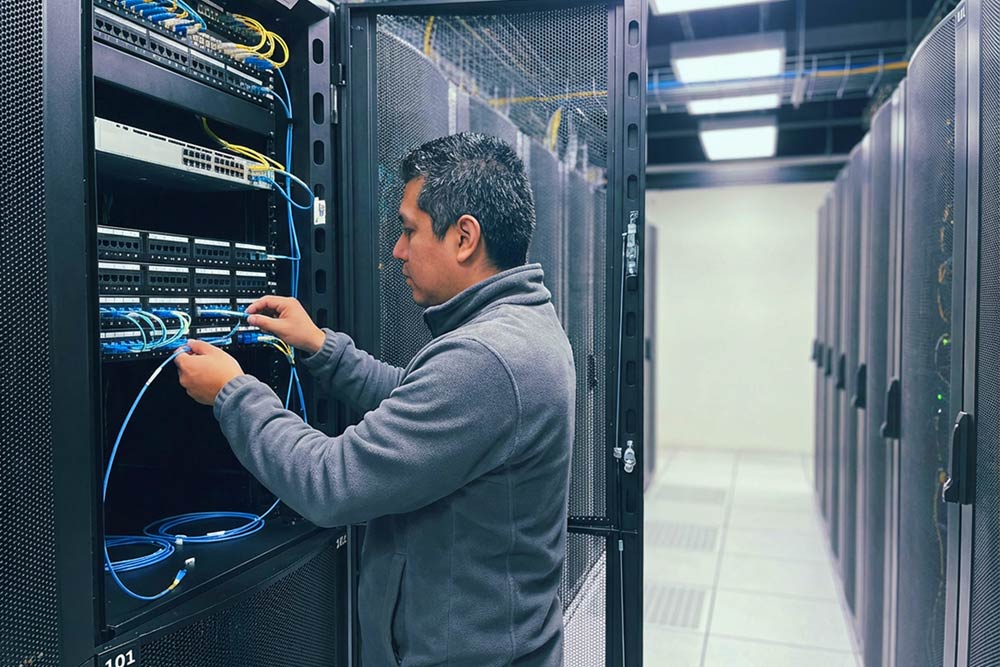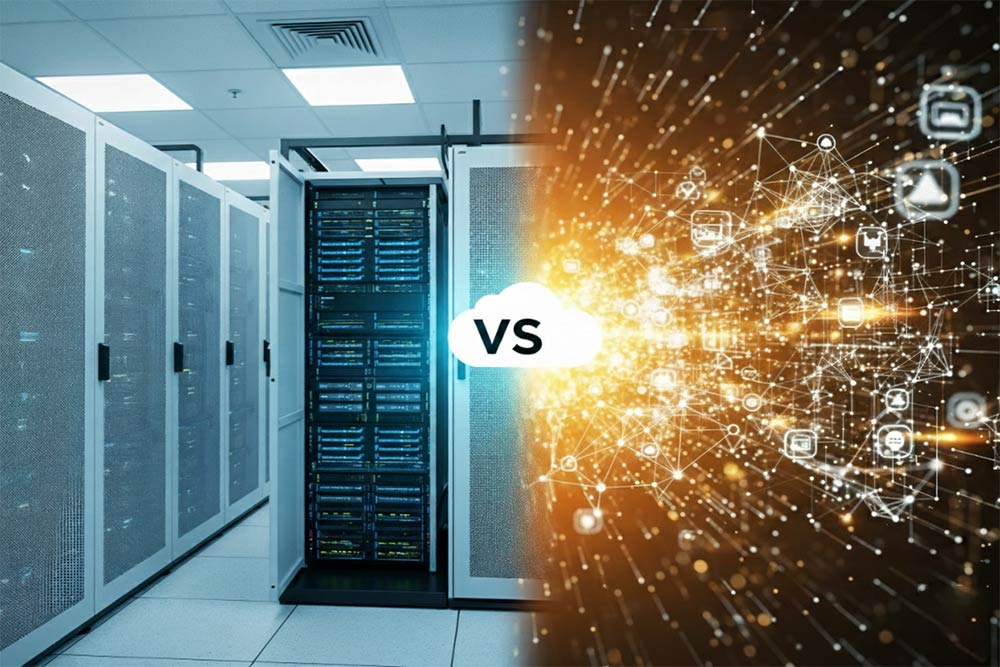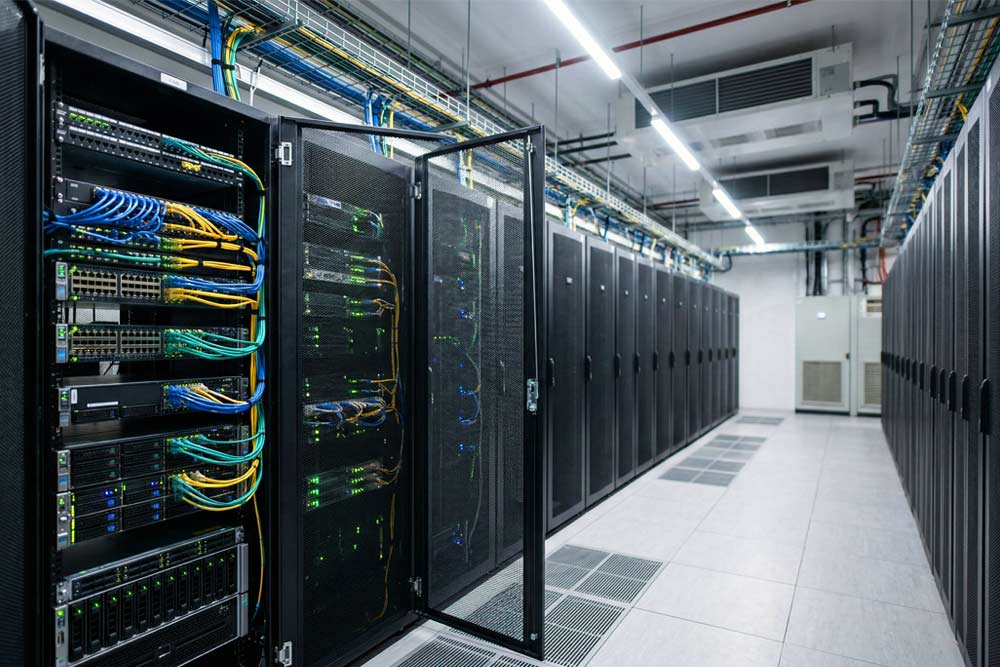
High availability is often discussed at the software layer, yet it’s the physical environment that sets the boundary for how reliable a system can truly be. Servers can be clustered, applications can fail over, and data can replicate, but none of that matters if the facility around the hardware becomes a single point of failure. That’s why organizations with mission-critical workloads increasingly look to colocation hosting as the foundation of their uptime strategy and a practical way to build high availability infrastructure.
In a well-engineered data center, power faults, cooling disruptions, and network incidents don’t immediately translate to outages. Redundancy is built into the infrastructure itself, supported by teams who maintain it with the same discipline expected in enterprise IT.
In this article, we’ll explore colocation hosting and get a glimpse into how high availability is maintained, not only through architecture, but also through the environment in which that architecture lives.
What is Colocation Hosting and How Is It Different From Other Types of Hosting?
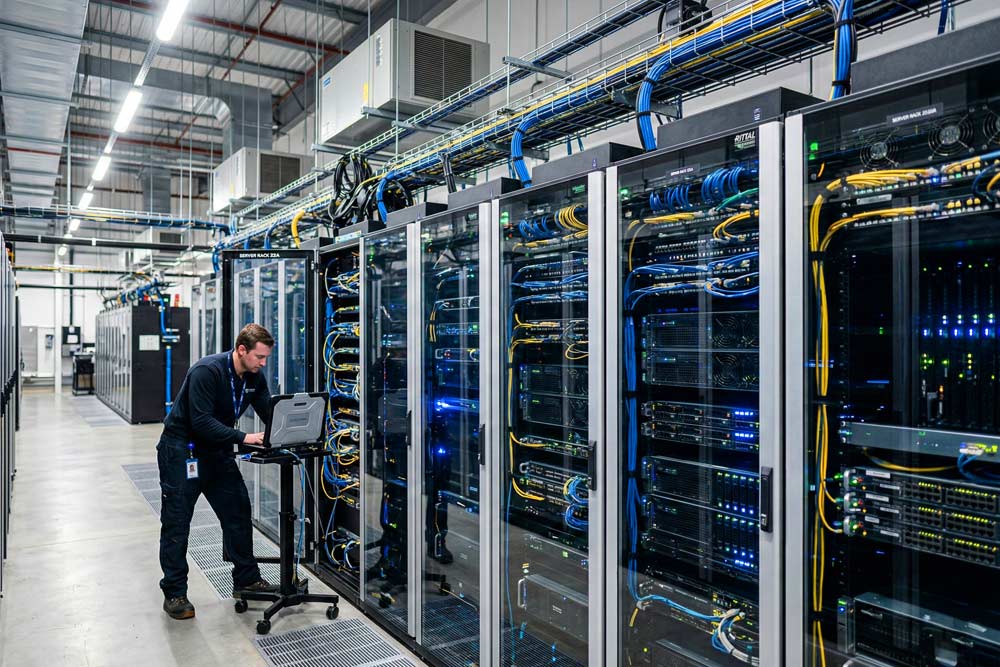
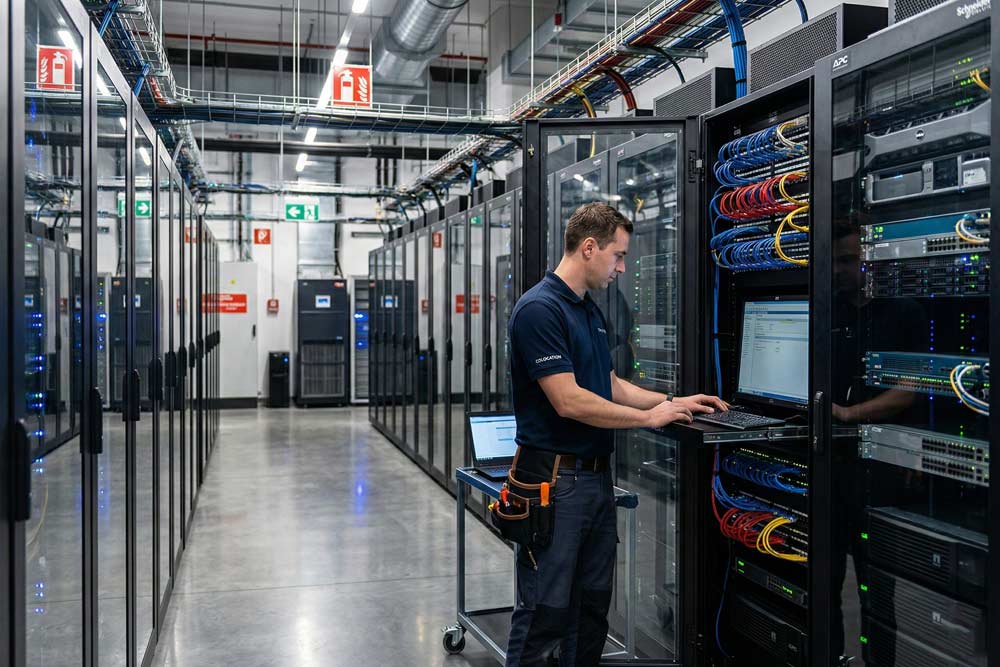
Colocation hosting is a service where businesses place their own servers, storage arrays, and networking equipment inside a professionally managed data center. Instead of building and operating a private facility, organizations rent space in a third-party environment designed for uninterrupted operations. The infrastructure remains the client’s property, and their IT team retains full control over configuration, applications, and data. Meanwhile, the colocation services provider delivers the building, physical security, redundant power and cooling infrastructure, and carrier-grade network connectivity that keep enterprise workloads continuously available.
This model is different from outsourcing to cloud or traditional hosting providers, where hardware and systems are controlled by the vendor. With colocation hosting, organizations benefit from the same uptime expectations seen in advanced data center environments while still managing performance, security controls, device lifecycle, and corporate compliance frameworks internally. Dedicated resources are reserved exclusively for each company, without the shared infrastructure limitations common in shared or virtual hosting. By combining owned hardware with a purpose-built facility optimized for continuous operations, businesses gain a reliable foundation for highly available services, predictable performance, and long-term investment protection.
What Does Colocation Offer?
Colocation facilities provide the environment and resources needed to keep business systems running without disruption. Through colocation hosting, companies place their own hardware in a secure, professionally managed data center instead of operating equipment in on-site server rooms. Space can be rented as individual racks, locked cabinets, or private cages that are physically separated from other tenants and built to support high-density equipment.
Reliable power is one of the core advantages of colocation hosting. Facilities use redundant electrical feeds, UPS systems, and large-scale generators to keep systems online during outages or utility failures. Cooling systems are engineered with the same level of reliability. Hot-aisle and cold-aisle containment, precision cooling, and real-time environmental monitoring protect equipment from heat-related failures.
Connectivity is strengthened by access to multiple network carriers operating inside the same data center. This carrier diversity prevents a single provider from becoming a point of failure and allows businesses to choose the network services that best fit their performance needs. Security is reinforced through biometric access, constant surveillance, and 24/7 staffing. Together, these resources create a controlled, resilient environment where mission-critical infrastructure remains protected and continuously available through enterprise-grade data center colocation.
The Advantages of Choosing Colocation Hosting
Companies choose colocation because it gives them the benefits of an enterprise-grade data center without having to build one. Constructing a reliable environment with redundant power, industrial cooling, and advanced security requires major capital investment and ongoing expertise. Colocation hosting removes that burden. Businesses place their equipment in a facility that already delivers high availability infrastructure, and their IT teams continue to manage the systems they own. Many organizations also choose colocation to expand capacity, support remote teams, or modernize server rooms, because moving into a data center designed to scale is much simpler than managing power upgrades or funding private constructions. Colocation hosting provides access to multiple network carriers, secure physical space, 24/7 support, and predictable operational costs. The result is a flexible infrastructure foundation that grows with the business, delivers strong performance, and reduces risks associated with downtime, physical failures, or different in-house facility limitations.

What High Availability Means in IT
In IT, high availability means building systems that stay online, even when something goes wrong. Hardware will fail at some point, power disruptions happen, and networks occasionally drop, so the goal is to design infrastructure that keeps services running through those events. Uptime is usually measured in “nines.” For example, 99.9% availability adds up to about 8.5 hours of downtime in a year, while “five nines” ( 99.999%) cuts that to just a few minutes.
All organizations requiring high availability know that downtime can have major business consequences. A payment platform offline for an hour can lose large volumes of revenue, and healthcare systems can’t afford delays in patient data or diagnostics. Because of this, organizations invest in resilient environments, including colocation hosting, to keep critical operations available around the clock and maintain true high availability.
The Real Cost of Downtime
When critical systems stop functioning, the financial consequences mount rapidly. Research from Gartner points to an average cost of about $5,600 per minute of unplanned IT downtime. For larger enterprises and highly digital business models, that figure often rises significantly.
Direct losses stem from halted revenue streams, disrupted business processes, and service commitments that fail. Added to these are recovery efforts, regulatory penalties, and overtime labor when IT teams scramble to restore operations. Beyond the immediate numbers, downtime erodes customer trust and damages brand reputation. The ripple effects make long-term recovery far harder than resolving the technical glitch. In industries where uptime is mission-critical, such as healthcare, finance, or telecommunications, the losses from even short outages can run into the millions. Organizations that underestimate downtime risk the very infrastructure they rely on for competitiveness and resilience.
Understanding Redundancy
In a data center, equipment fails at some point: circuits trip, cooling units wear out, and network gear needs maintenance. Redundancy is about designing the facility so that those normal failures don’t interrupt the services running inside it. Instead of depending on a single power line, cooling loop, or carrier connection, the data center includes extra capacity and alternative routes that automatically take over when something goes offline.
Power is the most familiar example. A redundant facility combines UPS units with large generators, so servers keep running through grid fluctuations or full outages. Cooling follows a similar approach, with backup chillers, air handling units, and heat rejection systems that keep temperatures stable if primary components fail. Networking is treated the same way: multiple carriers, diverse fiber paths, and spare switches protect against interruption.
This type of redundancy is different from workload backups or application-level failover. In colocation hosting, the focus is on protecting the physical environment (power, cooling, and connectivity) so the hardware you own keeps operating. A colocation hosting provider builds this reliability into the facility, ensuring continuous operations without worrying about the infrastructure behind the walls.
Data Center Tiers and N Levels
When businesses evaluate colocation hosting, one of the first benchmarks they encounter is the tier system developed by the Uptime Institute. These tiers classify data centers according to their design resilience and ability to stay online during failures or maintenance. The scale runs from Tier I to Tier IV, ranging from basic infrastructure with limited redundancy to fault-tolerant facilities capable of continuous functioning. Certification is voluntary, but many enterprise-focused providers pursue it to validate their capabilities and demonstrate that their environment can support mission-critical workloads.
Tier ratings, however, tell only part of the story. A certified colocation hosting facility must also maintain strong operational discipline: regular equipment testing, documented maintenance procedures, spare part strategies, and around-the-clock monitoring. Real uptime depends on how the facility is run day to day, not just on how it was designed.
Alongside tiers, organizations evaluating colocation hosting often look at N-levels, which quantify how much spare capacity exists in the infrastructure. These levels describe how prepared a data center is for failures:
- N means no redundancy; if a component fails, service is affected.
- N+1 introduces one additional component beyond what’s required to support the load.
- 2N delivers two fully independent systems, each able to support 100% of operations.
- 2N+1 strengthens this further, adding an extra spare on top of the two full systems.
Different parts of a facility (power, cooling, network) may use different N-levels depending on cost, risk tolerance, and uptime requirements. Understanding both tiers and N-levels helps businesses choose colocation hosting with redundancy models that align with both their redundancy goals and availability expectations.
How Colocation Hosting Improves High Availability
These are the areas where colocation hosting clearly excels when it comes to high availability.
Physical Security
If unauthorized access can put systems at risk, high availability is impossible. Data centers that support colocation hosting implement multi-layered physical security to protect business-owned equipment from tampering, theft, or accidental disruption. Instead of simple card readers or locked doors, these facilities use a combination of biometric scanning, mantraps, compartmentalized access points, video surveillance, and onsite security personnel monitoring activity around the clock.
However, security isn’t limited to protecting only the building itself, but also involves controlling access to specific racks, cabinets, or private cages. Colocation providers practice strict audit policies, visitor logs, escort procedures, as well as equipment handling rules, which ensure that only verified personnel have access to the hardware. These controls also align with industry regulations and compliance standards, eliminating the risk of interventions that could lead to outages or data exposure. Physical security may not be the first element people think of when discussing availability, but without it, uptime guarantees would be impossible to maintain for true high availability infrastructure.
Power and Cooling Redundancy
A core element of colocation hosting is built-in utility redundancy. Power availability is guaranteed by multiple electrical feeds, automatic transfer switches, UPS systems, and large-scale generators designed to carry full load when prolonged utility failures happen. Redundant power paths reduce the chance of disruption during maintenance, equipment failures, or grid-level events, making it possible for systems to stay online when a source becomes unavailable.
Cooling infrastructure is treated with the same level of priority. Overheating can take systems offline as quickly as a power outage, so facilities deploy redundant chillers, CRAH/CRAC units, heat rejection systems, and aisle containment strategies to stabilize temperature and airflow. Real-time monitoring is key for identifying anomalies before they cause issues. Spare capacity is just as important for keeping the environment stable.
Together, redundant power and cooling constitute a solid base for high-density workloads to run continuously without experiencing performance degradation, and fulfilling availability commitments even during unexpected hardware or utility disruptions. These capabilities are a defining characteristic of redundant power and cooling infrastructure in enterprise-grade data centers.
Carrier Neutrality and Network Resiliency
It’s needless to emphasize how heavily high availability depends on resilient network architecture. Carrier-neutral colocation hosting offers businesses access to a wide range of network service providers inside the same facility, so clients have access to multiple options. So instead of an often limiting vendor lock-in, organizations can choose the network strategy that aligns with their current latency goals, performance requirements, and cost model.
Carrier diversity also eliminates single points of failure. If a provider experiences upstream issues, there’s the possibility of moving traffic through alternative carriers. Redundant fiber paths, diverse meet-me rooms, and multiple network aggregation points further strengthen resilience. Many data centers also offer cross-connects to cloud providers, internet exchanges, and private connectivity services, extending availability beyond on-premises applications.
The difference between a minor issue and a full outage is often to be found in network resiliency, and carrier neutrality helps businesses maintain the flexibility and continuity required to support mission-critical workloads through data center colocation.
Disaster Recovery
Colocation hosting enforces disaster recovery strategies by placing equipment in facilities that were designed to withstand disruptive events. Providers select locations based on geographic risk profiles and strengthen buildings with advanced fire suppression, seismic stability measures where appropriate, and industrial-grade utilities. These protections reduce the impact of local disasters such as fires, storms, or flooding, which could easily incapacitate a traditional server room.
But the advantages go beyond the building itself. Access to carrier-neutral networking and redundant infrastructure allows organizations to pair colocation sites into multi-region architectures for replication, failover, or vendor-agnostic backup strategies. This way, businesses can host primary systems in one facility and recovery environments in another, creating a separation that prevents localized incidents from affecting business continuity. When disaster recovery is more than a mere emergency response, it is a strong safety net ensuring that critical services remain available when regional challenges strike, supporting high availability objectives.
Hybrid Cloud
Modern availability strategies often combine physical infrastructure with cloud services, and colocation hosting provides a neutral foundation for hybrid models. Because businesses own their hardware, they can optimize on-premises workloads for performance, cost control, or compliance, while still connecting to cloud environments with low latency and predictable bandwidth. Dedicated cross-connects inside carrier-neutral data centers allow private links to hyperscale cloud providers, edge networks, and content delivery platforms without routing through the public internet.
Hybrid deployments improve availability by distributing workloads according to risk and resiliency needs: critical systems can remain on owned hardware in the data center, while secondary applications run in the cloud for flexibility and elasticity.
In case of a cloud disruption or outage, local infrastructure remains unaffected. When physical hardware requires maintenance, cloud-based
High-Availability Colocation Hosting Across Industries
Different industries depend on continuous uptime for very different reasons, but the expectation is the same: that critical systems stay online. Financial institutions rely on consistent availability for payment processing, fraud analytics, and trading platforms that can’t tolerate interruptions. Healthcare organizations need constant access to patient data, imaging, and diagnostic applications where downtime delays treatment. E-commerce and SaaS providers face real-time customer demand, where even short outages can lead to revenue loss and customer dissatisfaction. Manufacturers and logistics companies depend on system continuity to keep supply chains moving and production lines operational. Across these sectors, high-availability requirements push organizations toward colocation hosting, where their own hardware runs inside a purpose-built facility designed to prevent service disruption and support ongoing high-availability infrastructure needs.
Choosing a High-Availability Colocation Hosting Partner
The colocation provider you work with will have a measurable impact on your uptime strategy. Reliable partners operate facilities that consistently meet availability targets and openly validate their performance. At Volico Data Centers, this starts with documented SLAs, transparent compliance reporting, and facilities engineered to support continuous operations rather than best-effort performance.
High-availability architectures also benefit from Volico’s multi-site footprint and rich interconnection ecosystem, which supports carrier diversity, private cloud connectivity, and multi-region redundancy. Just as important, the on-site engineering team understands how business requirements translate into infrastructure choices, providing guidance through deployments, expansions, and architectural changes.
If your organization is planning for long-term availability, scalability, and modernization, colocation services from Volico Data Centers offer a solid foundation to explore.
Contact us today to learn more.