Redundancy solutions are the backup parts your business needs when something breaks. That could be a failed Ethernet cable, a power supply that gives out, or a bad network card. When those backups are in place, your business won’t suffer when the main source fails. The backup takes over on its own and keeps things running. This is also called high availability: it keeps things running no matter what breaks.
While your team repairs the broken part, the backup keeps things moving. Your business never has to stop.
Another option is to look for services that offer cloud servers, since cloud providers build in these same redundancy services. Most providers offer more than one cloud setup, for the same reason: redundancy. Cloud redundancy works well for systems that already rely on redundant setups. You can spin up these servers during maintenance or repairs, and you’re back up and running.
Keeping redundancies in mind is simply good practice for your business’s power and network needs. A redundancy solution keeps your business ready to go at all times. That means your team can work without worrying about system failures.
Why Your Environment Needs Redundancies
Redundancies work like insurance against failures. They add backup paths for power and data inside your network. With more than one network path, you lower the risk of an outage. Traffic moves to the alternate source the instant one path goes down. Here are some best practices for building in redundancy and network failover:
Data Redundancy
Most businesses already use backup data solutions such as external storage drives or even paper hard copies. But these methods often can’t keep your service running during a system failure. A cloud-based redundancy solution solves that problem, because it keeps your data available all the time. Cloud backup stores your data on remote servers, so a disaster at your office can’t touch it.
Network Redundancies
Redundant links plus network equipment, like switches and routers, create network-level redundancy. The idea works the same as physical-level redundancy. When the main path goes down, your servers switch to the backups to keep things running.
In simple terms, redundancy works the same way as a car’s GPS. Picture yourself driving down a road when an accident blocks your path. The GPS reroutes you to another path to keep you moving. That route might be slower and bumpier, but it still gets you where you’re going.
There’s one key difference, though. A car’s GPS shows you several paths to choose from. Redundancy, on the other hand, switches you to another source on its own, with no other options to pick from.
Physical Redundancies
Physical redundancy is one of the most important pieces to plan for, since it backs up things like power and water. Adding these redundant systems helps reduce single points of failure in your setup.
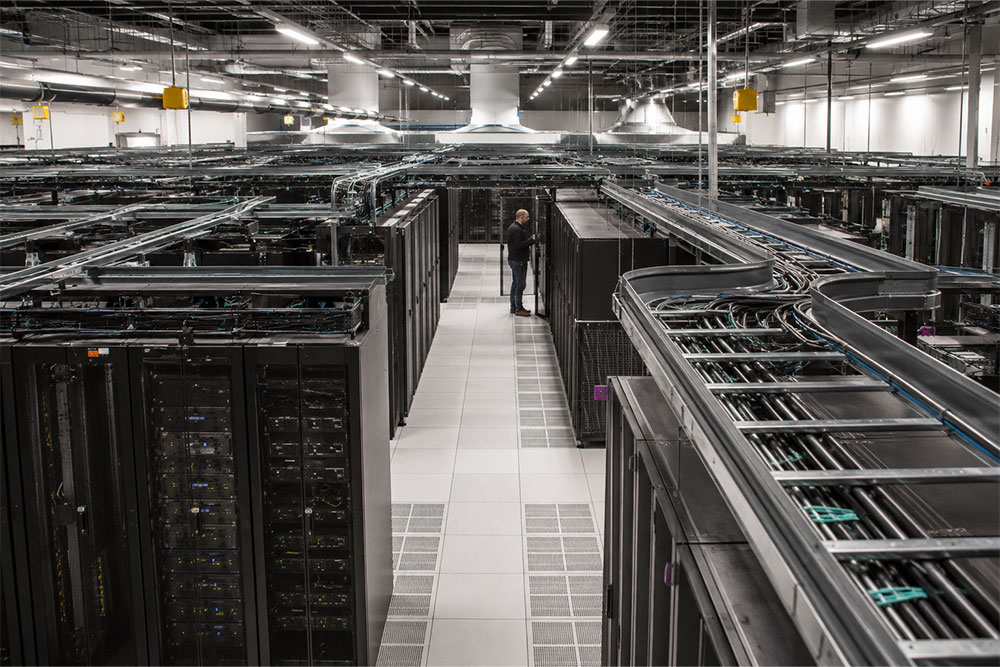
During planned maintenance or a surprise outage, the backup parts take over on their own and keep your servers and apps online. A setup like this matters most for your most important apps. Volico’s Class ‘A’ Scalable Tier IV data centers include 2N+X Smart-Grid redundant power systems. They also include 2N+X Smart-Grid redundant cooling systems.
Conclusion
A power supply or a cable can fail on you anytime, without warning. When that happens, redundancy is what keeps your system running at full strength. Whatever disaster hits your business, knowing these redundancies are in place gives you real peace of mind. Setting up a business redundancy plan takes effort, but it saves you from the cost of damaging outages later. When downtime hits, a redundant setup keeps your business online, and that’s priceless for your employees and customers.
Does your business suffer from redundancies, or are you afraid that it just might?
If you’re ready to put a business redundancy plan in place, contact us. We’ll help you find out what works best for your business and your industry.
• Call: (305) 735-8098
• Chat with a member of our team to discuss which solution best fits your needs.