The VMware price increase after Broadcom’s acquisition is rocking the tech world, and it is easy to see why. Broadcom now focuses on larger companies, so smaller VMware customers face a very unfair situation.
The VMware acquisition started in May 2022, when Broadcom announced its plans. The deal became reality in November 2023. Broadcom bought VMware for $61B, which makes it one of the biggest acquisitions in tech history. Users and employees worried about future support. The wider industry also took notice, because Broadcom’s decisions will shape the whole ecosystem for years.
VMware had over 500,000 users across the globe. When Broadcom announced the acquisition, many of them hoped it was not as bad as the rumors suggested. However, the layoffs, the new subscription model, and the huge price increases proved the predictions right. As a result, small and medium-sized businesses now feel the impact heavily.
How will the acquisition affect VMware customers? And what options remain for those who have to leave because of the extreme VMware price increase? Let’s dive straight in.
Why the Broadcom Acquisition is Making Waves
To understand the VMware price increase and how it will change the industry, let’s first look at the past.
Before the VMware acquisition, Broadcom had bought CA Technologies in 2018 and Symantec in 2019. Both deals brought major changes as well. Broadcom could not buy VMware without the stockholders’ votes in November 2022. Although it received them, regulators in the US, EU, UK, and China investigated the impact of the deal. As a result, the deal did not close until 22 November 2023, one year later.
Shortly after, the layoffs started, and over 2800 employees heard they were no longer needed.
Broadcom’s approach after the acquisition is not without precedent. The CA Technologies and Symantec deals played out similarly, and several other cases in the past looked the same. However, VMware was the most cutting-edge of them all, and it is the most profitable acquisition too.
The Shift to a Subscription Model
The pivotal point in Broadcom’s acquisition is the VMware price increase. It became a disputed subject because Broadcom switched from perpetual licensing to a subscription model. The change raised quite some concern, especially among those who already own a license. For them, the transition means paying more for the new model or leaving.
From a business point of view, however, Broadcom’s choices rest on value-oriented but reasonable grounds. The move affects many users negatively, but it is also understandable. Subscription models are much more profitable, and reliable revenue makes sense if Broadcom wants to boost its bottom line.
Smaller Customers Getting Sacrificed for Larger Ones
While Broadcom’s new strategy is not a big deal for larger enterprises, it means exclusion for most smaller businesses.
Many users hit by the VMware price increase have expressed their bitterness. They feel that big companies with a large user base care more about their investors than their customers. Many also worry that everything will turn subscription-based at some point. Users are, and will be, more and more at the mercy of the commercial software market’s decisions. Businesses built on VMware face the harsh truth of having to leave without knowing how they will continue.
The Virtual Cloud Service Provider (VCSP) program is also getting more expensive, so most small customers cannot pay for it. These high costs push small businesses and entrepreneurs to look for alternatives to virtualization software.
Broadcom made it official that its strategy now focuses on global enterprises. Unfortunately, the features that support smaller customers’ needs will sooner or later end or become too costly.
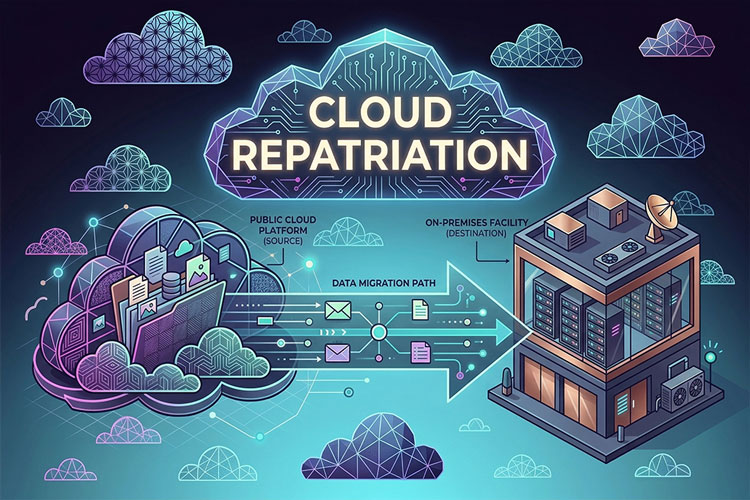
Exclusion is nasty in itself, but the story does not end there for small companies. Looking for an affordable alternative will most likely turn some of them toward managed service providers. However, they still face the costs of migrating all of their assets to a new environment. They also lose the well-functioning software they built their business on.
Ending Software and Cutting Off Learning Opportunities
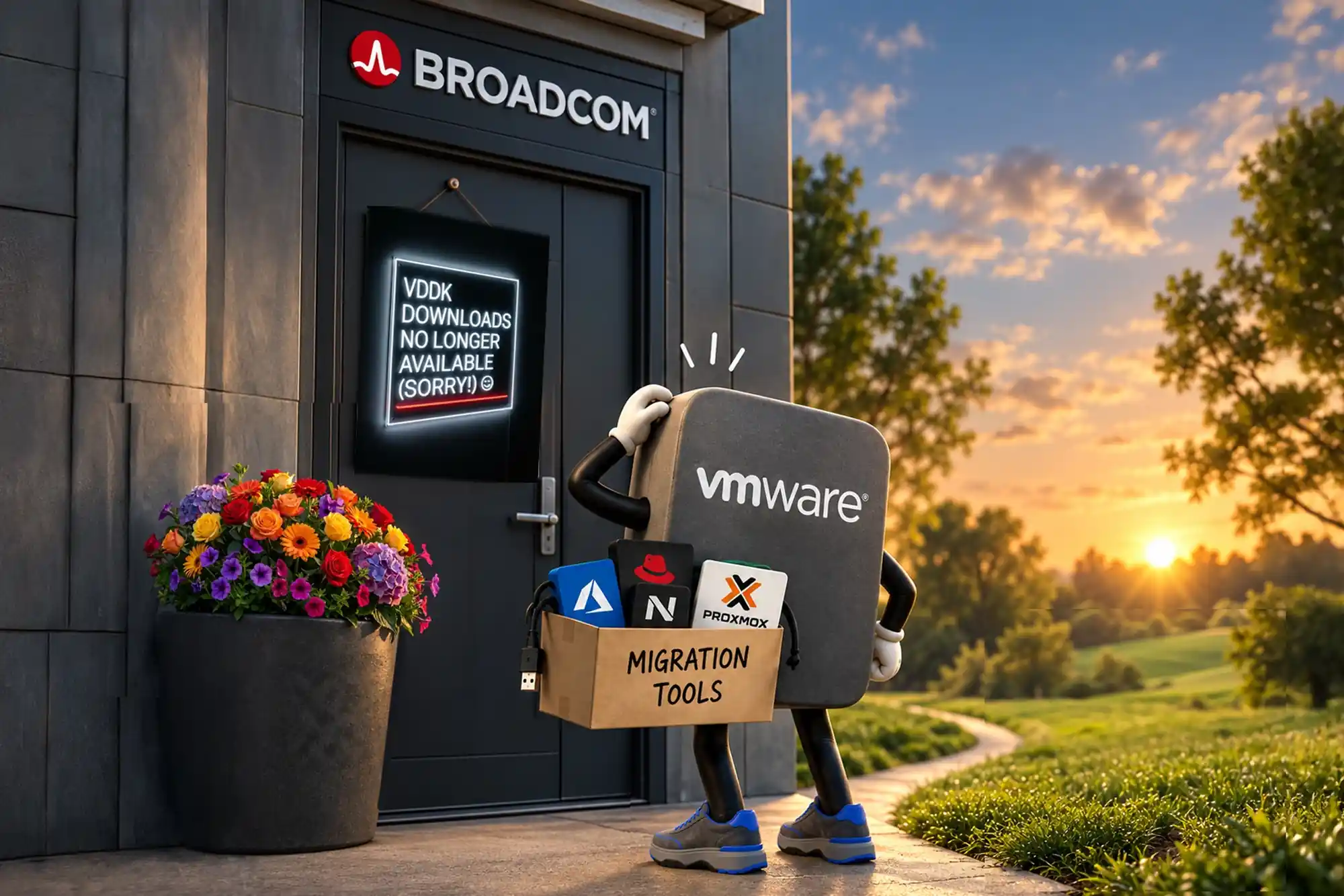
Users noted with disappointment that Broadcom ended the free VMware vSphere hypervisor. For system administrators, this means a whole new level of work to deal with. vSphere has also been a number one learning opportunity, but learners lose it from now on.
Also, Broadcom identified Carbon Black, the security software unit, as a non-core asset. It decided to separate the unit from VMware. While Broadcom paused the sale of the cybersecurity unit, Carbon Black will still answer to Broadcom for now.
Broadcom decided to halt the entire EUC or End User Compute offering, terminating VMware Horizon VDI as well.
These actions will have many effects, but from an optimistic perspective, the software will still continue to exist. However, for end users, this might mean it is time to prepare for changes. They should also keep an eye open for a plan B in case things do not go as hoped.
The Ripple Effect of the VMware Price Increase
To understand the full gravity of the situation, let’s look at the long-term effects of the deal.
Many assume that, because of the VMware price increase, businesses will have to recoup costs by charging more. That assumption is not completely groundless. For any company using VMware, from services to electric and utility companies and even retail, staying will become very expensive. Eventually, they will probably have to charge more to win back some of the costs.
On the other hand, moving from VMware to another platform or a managed service provider comes with migration costs. These costs might also raise the prices that ex-VMware users charge for their services.
Alternatives After the VMware Price Increase
The bottom line is that many small and medium-sized businesses have to look for alternatives.
Let’s face it: VMware was great, and finding an equally good solution will be hard. Looking into the future, FoSS makes things great from an availability point of view. Many users prefer free software for learning and paying for support as needed. They see it as a better model from a community point of view as well.
Because of the VMware price increase, the new subscription is 10x more expensive. As a result, small and medium-sized companies might move to managed service providers. Therefore, fully managed solutions become one of the best alternative options out there. The good news is that some fully managed solutions actually cost less than what they paid for their VMware licenses.
Navigate the Consequences of Broadcom’s VMware Price Increase With Volico’s Help
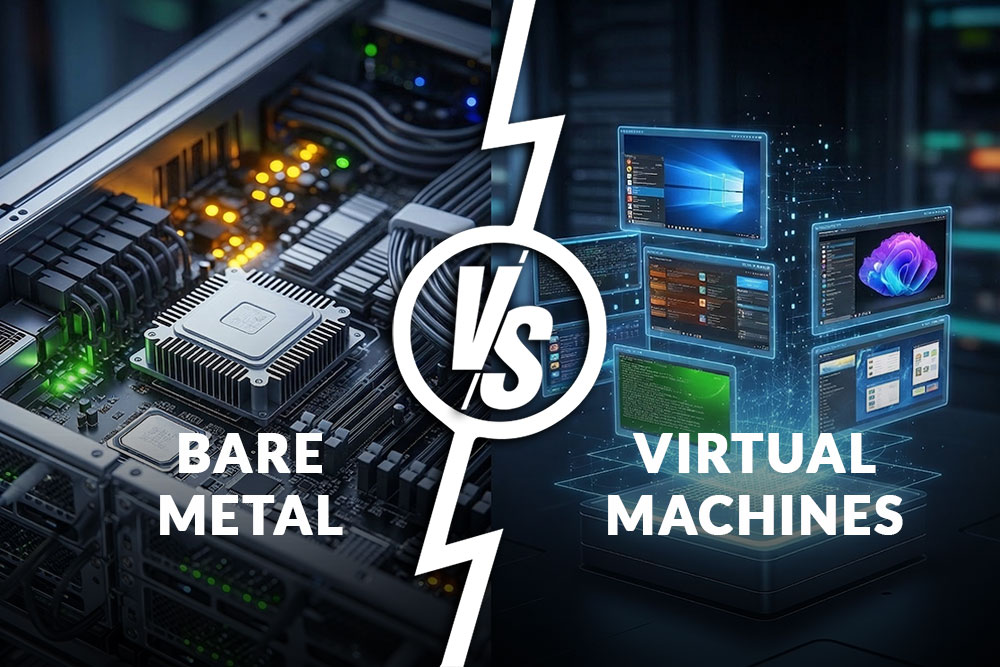
We will miss VMware, and it will be hard to replace. But all is not lost. Having to reorganize because of the deal can also bring some positive change. Because Broadcom pushes them out of VMware, some companies look for similar alternatives, such as a managed solution. Others welcome a different approach and go bare metal.
Does the VMware price increase hurt your company? Volico Data Centers can help you navigate the situation. We migrate you to a fully managed solution for less than you were paying for your VMware license. Our fast and efficient migration services save you the headaches of moving your assets. They also guarantee safety and security throughout the process.