Connectivity is one of the most critical parts of a data center, yet many people find the options confusing. Colocation providers such as Volico offer several connectivity options, so customers can choose what fits their services.
Network performance matters because organizations want to give customers and employees a fast, reliable network. A cross-connection is one way to improve that connection. But what is a cross-connection?
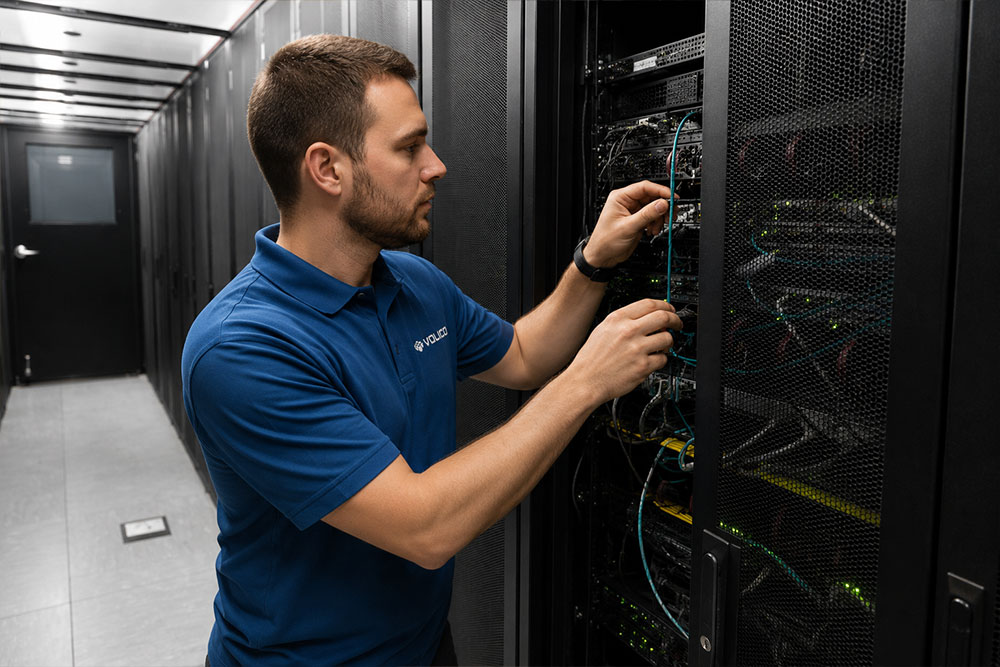
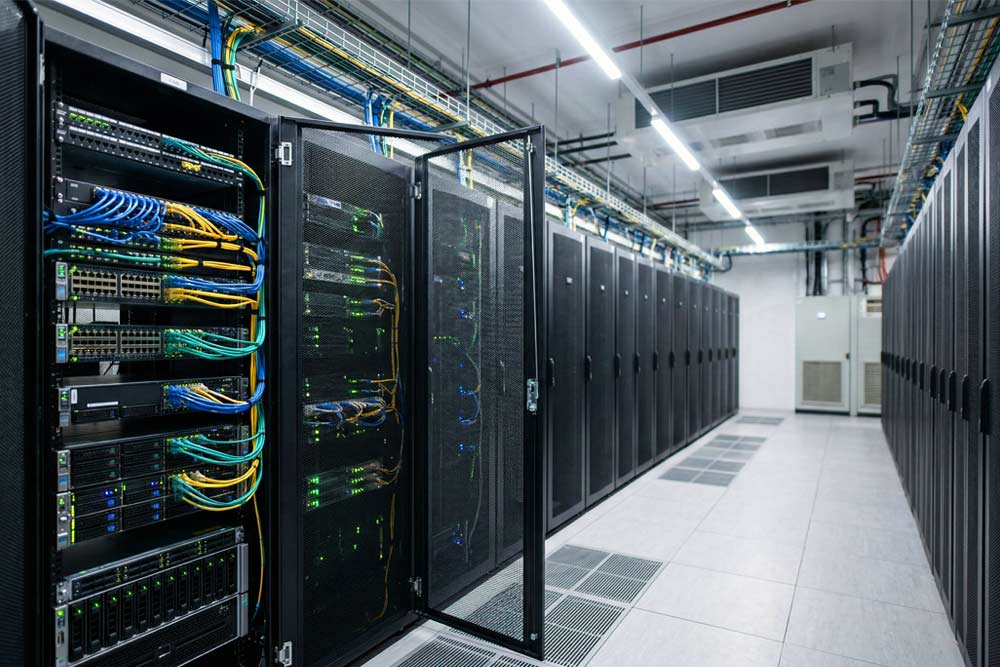
Cross-connections are hardware, such as cables, cords, and jumpers, that link separate units inside a data center. Think of one as a direct point-to-point link between two hardware assets. Usually, it is a physical cable that runs straight from one server to another. A single data center or several data centers can maintain these links, and companies use them for many purposes:
- Trading companies may use hundreds of cross-connections between servers so they can complete trades as quickly as possible.
- Cloud providers use cross-connects to link networks and Internet service providers (ISPs) in the same building.
- Some companies use cross-connects to reach global networks, because that gives them redundancy and better pricing.
The Benefits Of Using Cross Connect
There are many reasons why a cross connect gives colocation customers an advantage. It avoids congestion, so traffic keeps moving at high speeds. It also costs less than conventional telecom networks from bandwidth providers. Network administrators gain more control over a broad range of network assets. Here are the main benefits.
Reduced Latency
Latency is the time data takes to travel from one end of a network to the other and back again. When it climbs, data transfers slow down, and many organizations feel the delay. Colocation providers such as Volico solve this problem with cross-connections.
Cross-connects improve performance, cut latency, and help manage traffic flow. They also give a more consistent and reliable experience than Internet-based connections. Many of you might point to fiber optics as a fast alternative. However, the laws of physics limit fiber optics, and even cable management can affect performance on fiber connections.
As data demands grow, cross connect data centers have become the go-to way to avoid distance problems that increase latency. When both the customer and the client have servers in the data center, a cross-connection keeps the trip short.
Improved Security
Cross-connections also help minimize data loss and support disaster recovery when emergencies happen. They reduce latency, and they make data transfer more secure because no valuable data travels over the public network. Even though providers encrypt data in transit, someone might still intercept or compromise it on public networks. A cross-connection removes that exposure, since the data never touches a public network.
For example, a hybrid or multi-cloud setup can use a cross-connection between the cloud vendor and the customer’s private network. This limits data exposure drastically. Sensitive data stays behind the protection of a private network until someone needs to access it. Therefore, cross-connections reduce the risk of compromised assets.
Reliability
Server downtime hurts companies that rely on their servers to run 24x7x365. Even a few seconds of downtime can cause large financial losses. If you rely on a cloud provider’s SLA, many variables still affect the reliability of your network connection. Many potential failure points exist, so when you need maximum reliability, you cannot afford compromises.
Cross-connections drastically reduce the potential for failure because you only need to account for the network’s strong points. If a direct cross-connect to the cloud provider is possible, it removes complications when customers access the vendor’s network. If system availability and performance are essential to your company, a cross connection is a valuable solution.
How Do Cross Connect Support Interconnection Requirements?
Connecting with the right partners is crucial to success. Many companies buy multiple connections, so they need a data center provider that offers rich connectivity options. That flexibility lets companies enhance their services and build a reliable IT infrastructure, which gives them a competitive advantage. Choosing who you partner with for each required service is also a great benefit. Carrier-neutral data centers offer this kind of choice.
Carrier-neutral data centers let businesses expand their reach without increasing cost. They act as a neutral third party. They do not compete with the businesses that use their services, and they usually do not offer competing service packages. Companies benefit because they can contract directly with the service provider of their choice.
Data center interconnection uses at least two data centers to meet a company’s information needs. The data centers must connect so they can share resources and exchange information. Most data centers connect through a Virtual Private Network (VPN). Other connection types include POP (Point of Presence) and MMR (Meet-Me-Room).
Colocation providers with multiple data centers can host numerous company servers. Interconnectivity and cross connectivity link the data centers, other service providers, and companies. As a result, your business gains a reliable, scalable, and secure system.
Types of Cross Connects Available
Cross connects come in a variety of formats:
- Fiber
- COAX
- CAT5/6
- T1
- Copper
- POTS
Conclusion
Thanks to technology, storing massive amounts of data and moving it quickly between locations is no longer out of reach. Data center providers took things one step further. They created a reliable environment where customers can store servers in a secure facility. Proper storage, cooling, and power support any IT infrastructure.
Colocation providers have also improved their services over the years. By adding new technology, they created a more reliable and scalable environment. Now, customers can use cross-connectivity to improve data transfer, secure sensitive data, and build reliable network connectivity.
Colocation providers such as Volico can deliver lightning-fast cross-connections. These are an attractive solution for any company that wants to use multiple service providers and improve its performance.
Contact Volico to learn where carrier-neutral data centers are available and what cross-connection services can be used
To expand your connections, please call Volico at (305) 735-8098 and speak with one of our representatives. We can advise you on the benefits of cross-connects and explain which packages you can buy. We can also review where and how cross-connects can maximize your business’s efficiency.
Ready to See How Volico Data Centers Can Help You?
Got questions? Want to talk specifics? That’s what we’re here for. Have one of our friendly experts contact you to begin the conversation. Discover how Volico can help you with your cross-connect data center needs.