Most businesses face attacks in one form or another. Threats evolve with technology, and new tools make them more advanced. Human error never goes away either. Once an incident hits, ransomware recovery is complex and costly. The best strategy is the same as for most threats: prevention beats cleanup.
Ransomware has been around for a long time, but it is still one of the biggest risks for businesses. It can be fatal for smaller ones. So prevention matters if you want to lower the odds of a disaster.
The history of ransomware began 35 years ago with the AIDS Trojan. Today it remains one of the most significant cyber threats. In this blog, we look at ransomware recovery and what to know about pre-attack and post-attack scenarios. Join us for this read.
Why having a ransomware recovery strategy is crucial for businesses
A thorough prevention and recovery strategy can be vital if a ransomware attack hits. Even businesses that know the risks can get hit hard. Knowing the threats and what to expect helps you prepare. It can also speed up ransomware recovery and save your business money.
What is a ransomware attack, and what does it typically involve?
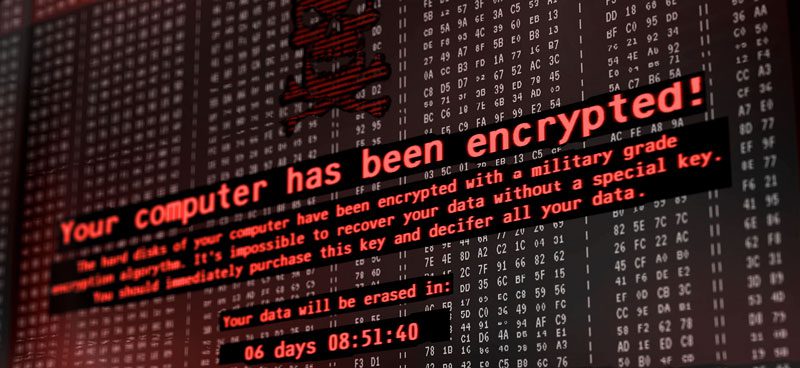
The basic methods of ransomware attacks have stayed the same over time. In a typical attack, malware gets into a network, then finds and locks up critical files. The victim can no longer access data or run operations. Then, the attacker demands a ransom in exchange for the decryption key that restores access. Once the victim has the data back, ransomware recovery can start.
Over time, ransomware attacks became more complex and more successful, because attackers added the threat of stealing data. That means they can expose the stolen data or sell it to other criminals. A traditional attack let a company restore its latest backup and ignore the ransom demand. The threat of a leak makes that demand much harder to ignore.
How long does it take to recover from a ransomware attack?
How fast ransomware recovery happens depends on how prepared the company is. Backup restoration and the damage the attack caused matter too. The average downtime after an attack was 18.71 days in 2023. A data recovery plan has the biggest influence on that number.
What’s the price of a ransomware attack?
In 2021, a ransomware demand was $70 million. Since then, the sum has reached $240 million. And that is only the ransom demand. The rising cost of data breaches reached $1.85 million in 2023. Cost varies with the type of ransomware. It also depends on whether the data was corrupted and whether the company has the decryption keys.
Even after everything is back in working order, more steps are necessary. The company must examine the situation and find the weak points that allowed the attack. Then it has to tighten security to stop future attacks. These steps can cost a lot of money.
Your money or your life: should you pay in the hope of a fast ransomware recovery?
Paying a ransom demand is a hard decision for most businesses, especially when they are not prepared. Ransom prices are high, but the price of downtime can be even higher.
Pros of paying
Most victims who pay the fee hope to get back to normal as soon as possible. For many firms, the cost of downtime is too high, so a short disruption is the top priority. Depending on the size of the problem, paying the ransom can seem like the lesser evil. If criminals encrypt or corrupt your files, restoring systems from a backup can cost a huge amount of money. Giving the criminals what they want and starting ransomware recovery right away can look like the only solution.
The damage does not stop at money and time. Modern ransomware attacks add blackmail to force a payout. We call this double extortion. Hackers threaten to leak critical information that could hurt the firm’s reputation. To protect that reputation, some companies decide to pay.
Cons of paying
First, there is no guarantee that the hackers will play fair and grant access to the encrypted data. According to Statista, about 25% of victims did not get their data back after paying. Even if you do get it back, it can be corrupted. You can easily end up facing the costs of ransomware recovery while the payment achieves nothing. Considering the worst case, taking that leap of faith might not be worth it.
Second, a company can become a target again and again if criminals see it as an easy one. According to a Cybereason study, 80% of the companies surveyed suffered a second attack after paying the ransom. Criminals know they can make easy money from you, so it is unlikely they will back down. A second attack can make ransomware recovery even harder.
Paying can result in civil penalties
The US government can penalize companies that pay ransom demands.
In 2020, the US Treasury Department’s Office of Foreign Assets Control (OFAC) added ransomware attackers to its cyber sanctions program. Paying a ransom can count as financial help for criminal cyber activity. OFAC can then impose civil penalties. The penalty applies even if the company does not know it is paying a sanctioned person or group.
Ransomware recovery practices
According to Security Magazine, a cyberattack hit every 39 seconds in 2023. Threats are growing and getting smarter, so a detailed ransomware recovery plan is now a must.
Having a ransomware recovery plan
A ransomware recovery plan is a written, step-by-step guide to what you do if an attack happens. Typically, it is part of a broader disaster recovery plan, and the company should follow it strictly. It includes steps for spotting unusual activity and for handling critical data.
The plan also gives clear, ranked instructions for acting once the team spots the attack. It names one person to handle the situation and gives each team a role in the ransomware recovery process. That person also has to make sure the company follows local data protection laws.
Recovering encrypted files
So, you want your files back but you decide not to pay the ransom. You can go back to the last backup and continue. However, that can be a lengthy, challenging process, and it only works with an efficient backup plan. Criminals can also attack this strategy directly, for example by planting malware or tampering with the backups.
The bad news is that without backups, nobody can guarantee data recovery. That holds even if the authorities take down the criminal groups. Sometimes no one can get the decryption keys back. Then companies are stuck, and ransomware recovery takes much longer.
Handling the Double Extortion tactic and repeated attacks
The best way to deal with double extortion is to take steps before it happens. ADX and machine learning tools can help companies spot unusual activity and block attempts to steal data. If a hacker gets in, these tools can at least stop the double extortion attack and shorten ransomware recovery. Rolling these safeguards out across all devices gives companies a line of defense against the worst case.
Conclusion
Statistically, 60% of small businesses shut down within six months of a major data breach or attack. Facing an attack unprepared can wreak havoc on a company. Failing to recover the data can lead to a permanent shutdown. For this reason, every business needs a ransomware recovery plan, especially one with limited funds.
Sooner or later, ransomware attacks happen. When it happens, your company needs to be prepared, with a ransomware recovery plan there to cushion the fall.
Got questions? Want to talk specifics? That’s what we’re here for!
Discover how Volico Data Centers can help your business guard against the growing number of cyber threats. See how our managed security, disaster recovery, and business continuity services can help you avoid disaster.
• Call: (305) 735-8098
• Chat with a member of our team to discuss which solution best fits your needs.