A bare metal server gives your business a dedicated physical machine with no shared tenants. Knowing when that tradeoff is worth it starts with understanding how these servers work. Over the past thirty years, servers have become a core part of modern business. The type you choose affects your efficiency, your costs, and how satisfied your customers are. Those factors have always mattered, but data management matters more now than ever.
Businesses today can pick from a huge range of server types. Every option claims to be the best choice, but each has its own advantages and disadvantages. In this article, we’ll cover four things.
First, we’ll explain what bare metal is. Second, we’ll briefly look at the history of this server type. Third, we’ll walk through the upsides and downsides. Finally, we’ll help you answer the question on your mind: is this the right approach for your company?
What is a bare metal server?
With a name like “bare metal server,” you might expect something from a post-apocalyptic movie. In reality, the name is far more dramatic than the tech. Bare metal servers are among the oldest and best established data management models on the market.
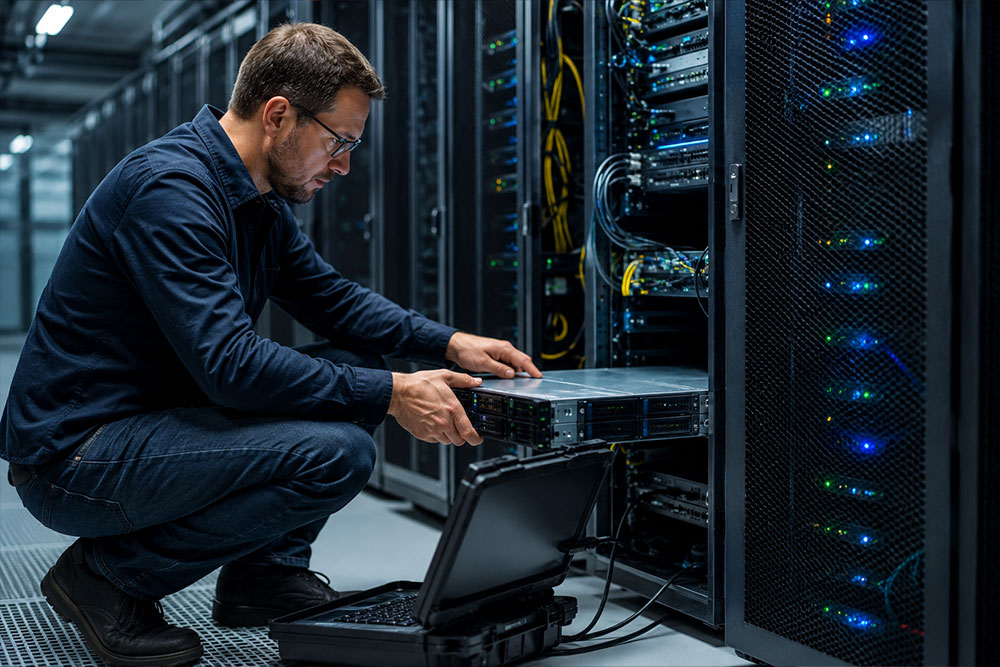
A bare metal server is a computer server that one client uses on its own. Providers typically lease the hardware to clients to use as they see fit. This differs from virtual servers, which run several applications on the same piece of hardware. A bare metal server can handle any amount of work and support many users. The hardware stays dedicated to the company that rents it.
The term “bare metal server” refers to a dedicated server that serves one client, usually a business or agency. These servers usually sit on site, which sets them apart from virtual or cloud servers. Virtual and cloud servers have grown more popular lately. Even so, many companies still choose bare metal.
Bare metal servers are also one of the oldest data management solutions, with a history that stretches back decades. The idea grew from a simple fact. A local server is easier and more reliable than a cloud or virtual server offsite. Those newer options have their own roles today. At the outset of data management, though, they were virtually (pun intended) nonexistent.
How do bare metal servers work?
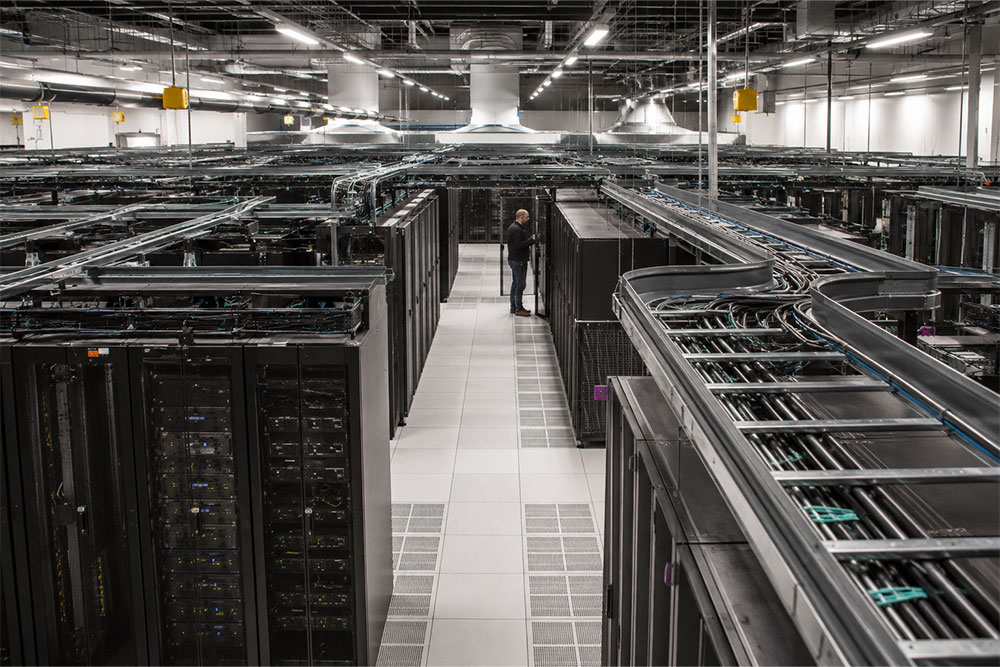
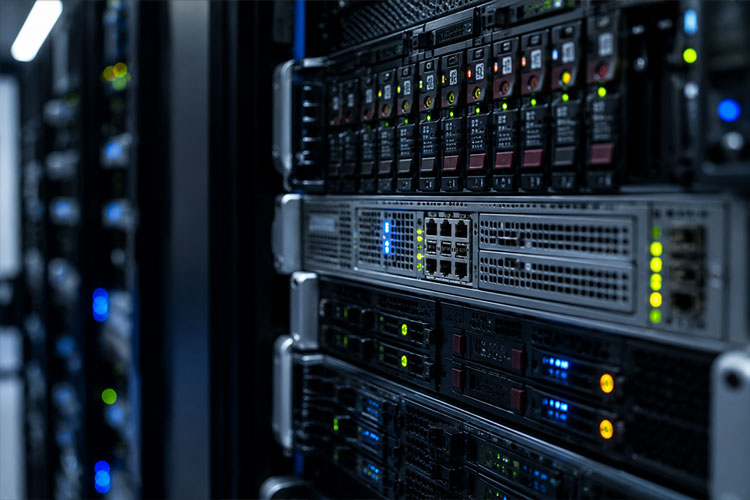
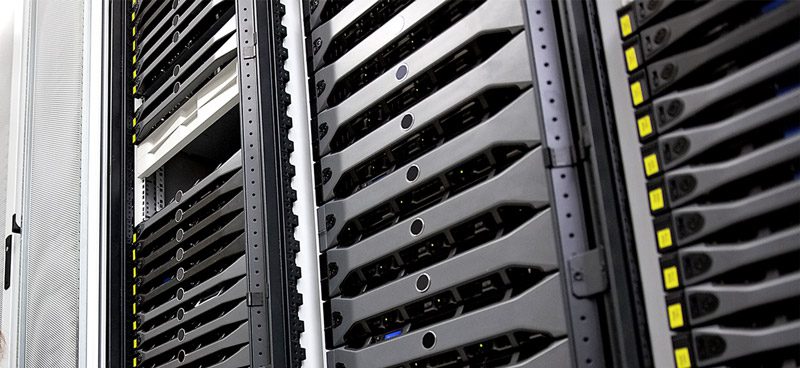
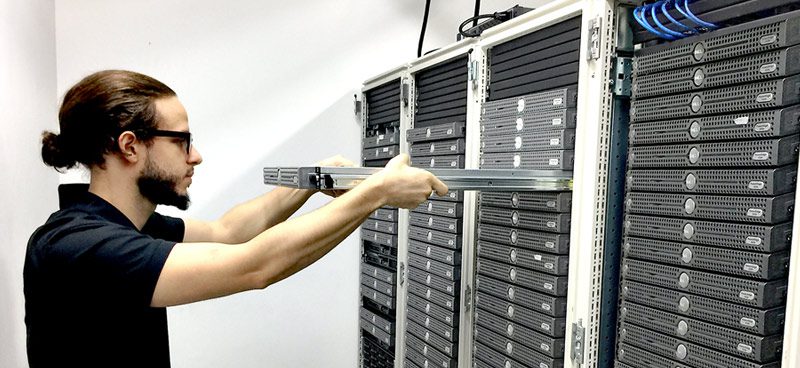
In practice, bare metal servers are simple. They usually include one or more racks filled with nodes that meet the company’s data needs. This model values simplicity, reliability, and growth, so it suits companies with heavy demands.
Many applications fit the model well, and office computing is one of them. When a whole office relies on one server, a local server means low latency, strong performance, and easy scaling. For many companies, that alone sells the technology.
Bare metal servers are also among the most secure data management models. The hardware is physical, so you can secure it directly, and that gives you stronger protection than most other models. If your company needs exceptional security, the decision is a no brainer!
Advantages of bare metal servers
Now that you know the basics, let’s see why bare metal servers might be right for your business. They offer several advantages over the alternatives, so we’ll cover those before the disadvantages. Let’s begin!
Excellent performance
First and foremost, bare metal servers offer excellent performance. You can customize the server, so you can add all the processing power, storage, and bandwidth you need. That keeps your company running at its best day and night.
In practical terms, everyone who uses your server faces as few obstacles as possible. Network connectivity stays fast, so people can work without delays. Poor performance can waste tens or hundreds of hours a month at large companies. So this is often a deciding factor.
Enhanced security
Another key feature of the model is more isolation and stronger security. You control who uses your server and who can access it. That helps you prevent data breaches and other cyber attacks.
The reason is that a bare metal server runs on physical hardware rather than a virtual machine. Your IT department can monitor and control every addition or change to the machine, which helps stop malicious attacks.
Unparalleled scalability
Other solutions, such as colocation and virtual private servers, offer some scaling. Few can match the flexibility and room to grow of a bare metal server. You control your setup and see usage analytics, so your IT team can balance specs and cost.
With a capable IT team, this gives you an efficient and fairly affordable solution. Users get peak performance without blowing the budget. Bare metal servers aren’t the cheapest option, but they can help offset the higher cost.
Disadvantages of bare metal servers
Bare metal servers have a long list of advantages, but they also come with a few drawbacks. Whether they suit you depends mostly on your company model and data processing needs. With that in mind, let’s look at the drawbacks.
Higher costs
Among the biggest downsides are the high operating costs compared to cheaper alternatives. You generally have to purchase the components outright, so costs rise almost immediately. These costs may balance out over time, but that depends almost entirely on your company and business model.
If you want the benefits of bare metal at a lower cost, virtual bare metal servers strike a good balance. They are generally less expensive than local bare metal servers, yet they offer many of the same benefits.
Higher maintenance requirements
Many virtual and cloud servers include management and upkeep in the service. Bare metal servers typically need far more work each month. That can eat into your IT department’s time and patience, because every issue lands on them.
Technologies such as Data Management as a Service (DMaaS) can ease this drawback. Even so, you may need to increase your IT budget if you choose a bare metal server. Ultimately, the decision is yours, so choose what works best for your company!
Ready to See How Volico Data Center Can Help You?
Need help choosing the best server for you? No problem! That’s what we’re here for. At Volico, we offer several dedicated hosting options to fit any business need. Make sure to check them out!
Whether you want bare metal or a classic public cloud server, contact a Volico professional today. We’ll discuss your requirements and set up the best hosting for your business. Volico’s Bare Metal Servers suit a broad range of workload needs. They come in various configurations with varying numbers of cores, RAM, CPU, Storage, OS, and more.
• Call: (305) 735-8098
• Chat with a member of our team to discuss which solution best fits your needs.