No IT service will ever claim that server downtime is acceptable. Many will claim, however, that all sorts of issues causing downtime are unavoidable. Businesses rely more and more heavily on their web presence or web applications to do business. For them, server uptime can mean the difference between productivity and invisibility, or between solvency and substantial fiscal losses. How important is server uptime, and are there any real reasons for acceptable downtime?
Why is server uptime so crucial?
When your physical business server goes down, you lose access to the information stored there. If you happen to host a website, you become effectively invisible to the Internet as a whole. If downtime lasts long enough, search engine rankings can drop as well. When clients find a website down, they form a negative impression of the technological capability and reliability of the business. A single physical server might be prey to a myriad of issues. Colocation services or cloud computing move your resources and information to a distributed, secure alternative. Achieving complete server uptime is a major goal for a business server, but not the only goal.
Is there acceptable downtime?
What are the other goals of a business server? One is to maintain digital data security. A server under attack from a DDoS or other malware has one last defense: disconnecting from the network. At that point, maintaining uptime would actually be a significant security risk. Likewise, failing to update for fear of downtime can leave gaping vulnerabilities in a system.
However, securing data in the cloud can alleviate either scenario. It stays accessible, safe, and at 100% uptime. Every piece of physical hardware will eventually require repair or replacement. Information strategically spread through the cloud doesn’t have that vulnerability. When one server or support for the cloud-based system goes down, millions more maintain overall accessibility and uptime.
Monitoring services help achieve 100% uptime
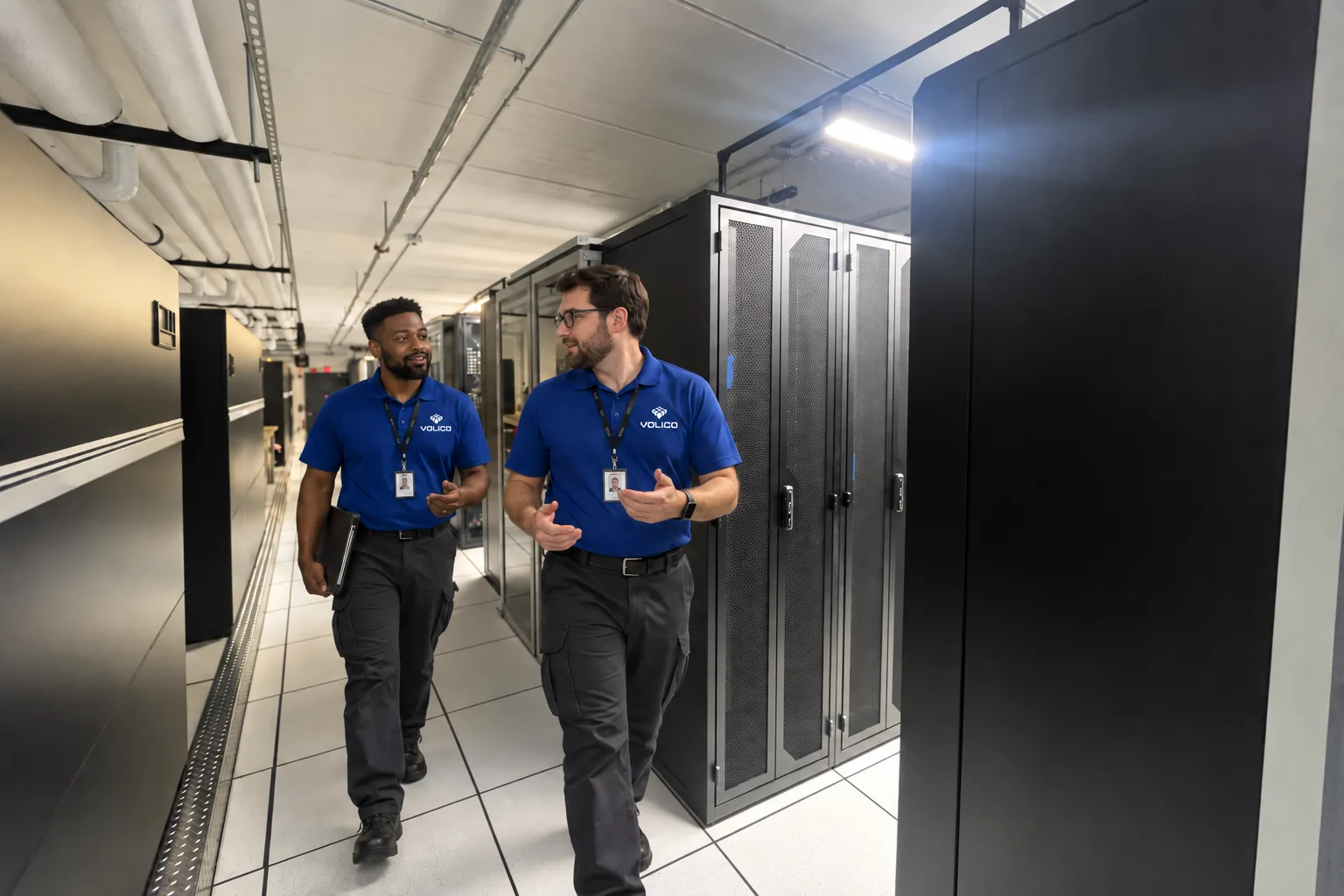
Uptime monitoring services bring systematized and proactive technology to bear on the issue of minimizing, or even eliminating, server downtime. We can now know, to the thousandth of a percentage, how much uptime a system has. Automated notifications for downtime or component issues also reduce the overall downtime a system may incur. The key is that someone acts quickly when a notification of a current or potential issue arrives. Monitoring without action is as helpful as bringing binoculars to protect you in the ocean. You may be able to see the issue, but that tool alone isn’t enough to save your life. That’s why monitoring services through companies like Volico aren’t simply passive observers. Instead, they work to detect, respond to, and prevent issues from cascading into server downtime.