Colocation and cloud computing are two different ways for companies to scale IT services without huge capital expenses. Both approaches also let companies access their applications remotely. As cloud computing becomes better known and more trusted, demand for these services continues to increase.
What is Cloud Computing?
Cloud computing is ready online access to a company’s applications, data, operating systems, and other information. That access is what lets the company run its business. Cloud computing means a virtual system hosts the company’s IT applications. Those applications can then be accessed through a web browser or other technology. For a formal definition of the term, see the NIST definition of cloud computing.
If the applications the company needs are already in the cloud, startup can be easy. Capital expenses stay minimal since the company pays the provider a monthly fee for hardware and software access. The fee also usually includes IT support.
What is Colocation?
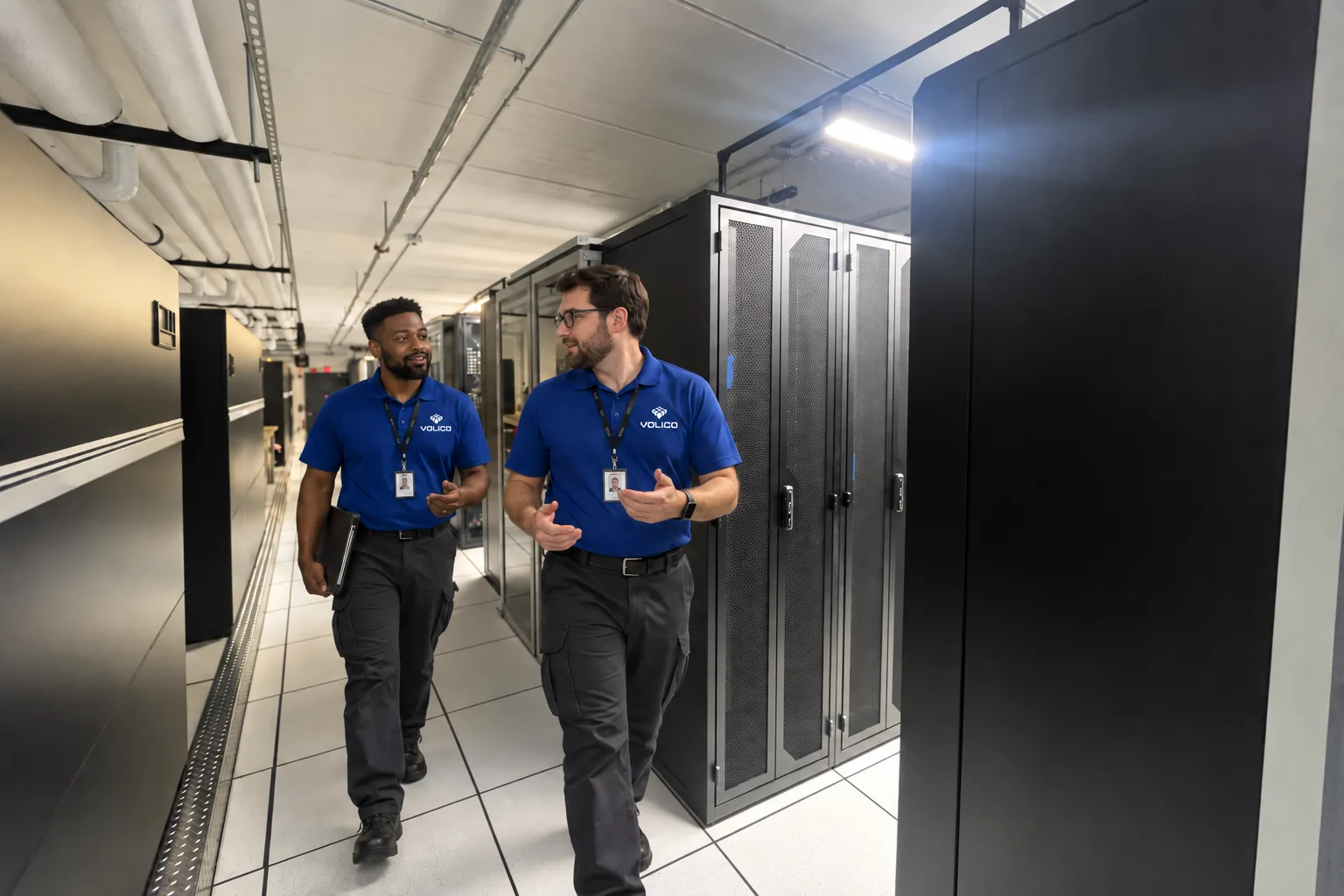
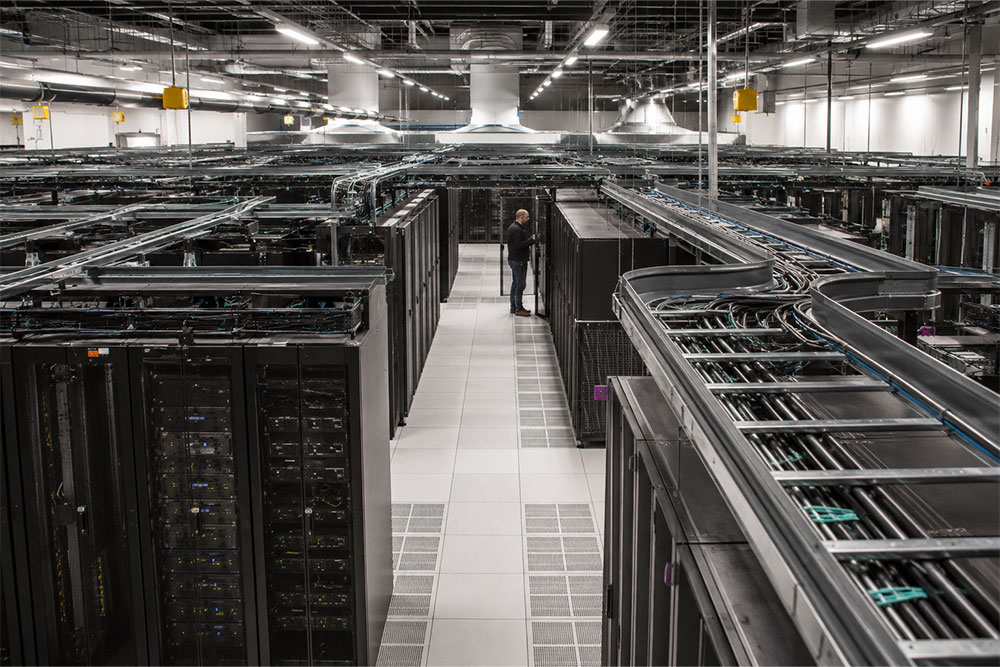
Colocation is the physical presence of a company’s hardware, storage, network equipment, software, and data in another building. In a colocation arrangement, IT departments rent the equipment they need. They also share the cost of power, cooling, floor space, and other overhead charges with other companies.
Large companies can often afford to build their own data centers. Small and medium-sized businesses have to weigh return on investment and IT ownership costs more carefully. When consolidating resources or virtualizing isn’t enough, and a private data center costs too much, colocation becomes the logical choice.
Colocation offers the following benefits:
- Better uptime. Most colocation services run on generators, power lines, and internet connections built for uptime. The site stays active virtually around the clock.
- Ownership. Colocation centers let a company rent or purchase its hardware. That gives the company flexibility in how it spends its IT budget.
- Relocation. If the business moves or expands, there’s no need to move or expand the internal IT systems. Access to the colocation center is independent of the business’s location.
- Security. Most colocation centers offer the latest software and hardware security features.
Colocation and cloud computing services
Companies expanding their use of the cloud lean on colocation in a few ways:
- Colocation makes sure the cloud services run virtually 100% of the time. Cloud redundancy works better when it is backed up by a colocation’s ability to address power and disaster recovery issues.
- Colocation providers offer IT support staff that understands how to make the cloud work best for each company’s needs. The colocation center includes staff with extensive IT experience.
- Many companies use various clouds along with their own applications. Colocation is a central point for managing these different cloud services and the company’s own programs.
These providers also offer cloud hosting and managed services, along with other options that benefit any business.
Speak with a cloud computing and colocation technical professional today
It’s now an attractive alternative for companies that want to minimize costs and increase scalability. Colocation also helps companies manage their cloud computing services day to day. Reach out for help figuring out when colocation and cloud computing work best together.
Discover how Volico can help you with your Cloud Hosting or Colocation needs.