Hyperscale and microscale are two new types of data center technology. Hyperscale alters the design of data centers, while microscale alters the method of delivery. A thorough understanding of each will help businesses determine which technology, or both, fits their IT needs.
Hyperscale servers
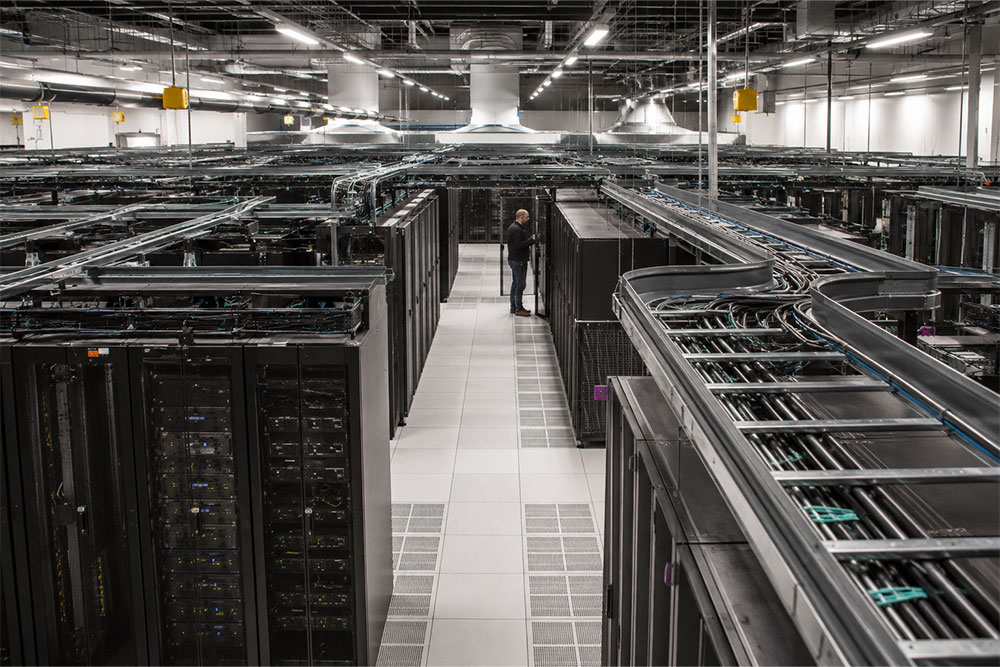
Hyperscale servers let IT teams customize, assemble, and modify them quickly. IT teams can scale hyperscale systems to a massive level. The design emphasizes virtualization: the ability to copy an operating system, network, or storage device entirely in software. Google, Amazon, Facebook, Microsoft, and other large companies use hyperscale to run cloud based servers that give their businesses room to grow.
Hyperscale means:
- Massive scaling. Companies can start small and then add servers, networking, and storage components as the company grows. Growth doesn’t need to be proportional, so each component can grow independently if need be.
- The ability to compete with larger companies. Hyperscale works by decoupling the data center from the underlying infrastructure. Smaller companies, as well as the big players, can use it to prepare for the growth of the Internet of Things (IoT), as more and more devices connect.
- Cloud based services. Hyperscale data centers are essentially a cloud-based method of delivering services. Hyperscale data centers rely on virtual servers, so they minimize the need for physical space and electrical or cooling power. They also provide a distributed computing environment with an emphasis on software over hardware. Hyperscale data centers can respond quickly to the changing demands of the customer.
While many big companies use large, centralized data centers, other companies are beginning to use smaller facilities in cities that weren’t prime for the large centers. Companies call these facilities edge centers, and they are ripe for hyperscale development and IoT expansion.
Microscale computing
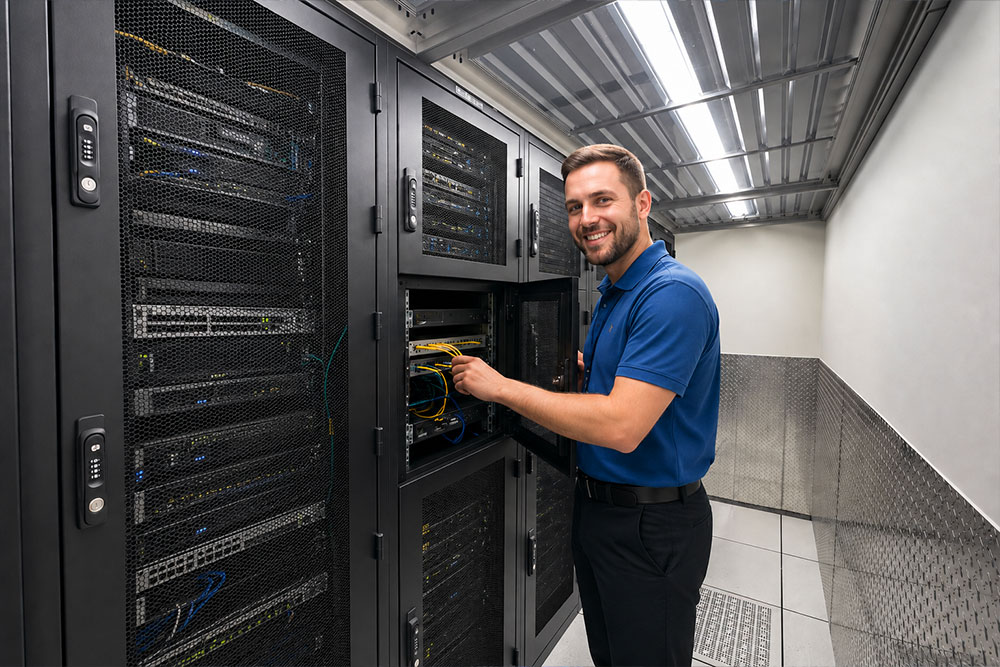
Where hyperscale refers to massive computing needs, microscale is at the opposite end of the spectrum. Electrical power, cooling, and hardware are self-contained. Yet, hyperscale’s emphasis is on software to assist in computing, networking, and storage needs. Microscale computing is good for local needs, especially where data doesn’t have to travel too far.
Microscale has two attractions for IT customers:
- Hierarchical model. In this approach, the mega centers are at the top, edge centers occupy the middle, and microscale data centers occupy the bottom. Information filters from the bottom to the top. In return, the lower levels only get the information from the higher levels that they need. Here, the bigger centers carry the emphasis, and IT teams call on microscale data centers only when needed.
- Multiple node models. In fact, the microscale data center is like an individual node in a hyperscale data center. IT teams can stripe data and services, for example, across the multiple small data centers. This approach gives a level of resiliency and availability that would otherwise require specialized services or facilities in the current data center delivery model. This model requires building out almost from scratch, since an existing data center’s main role here is to eventually migrate its data and applications to multi-node microscale data centers.
Learn which data center architecture is right for your company.
As applications and the Internet of Things continue to grow, companies need to keep pace. Hyperscale and microscale are two current technologies that many companies are turning to, in order to scale their operations and support their own growth. For guidance on scale and data center questions, speak with one of our data center professionals.
Discover how Volico can help you with your Data Center needs.
• Call: (305) 735-8098
• Chat with a member of our team to discuss which solution best fits your needs.