What Is Colocation?
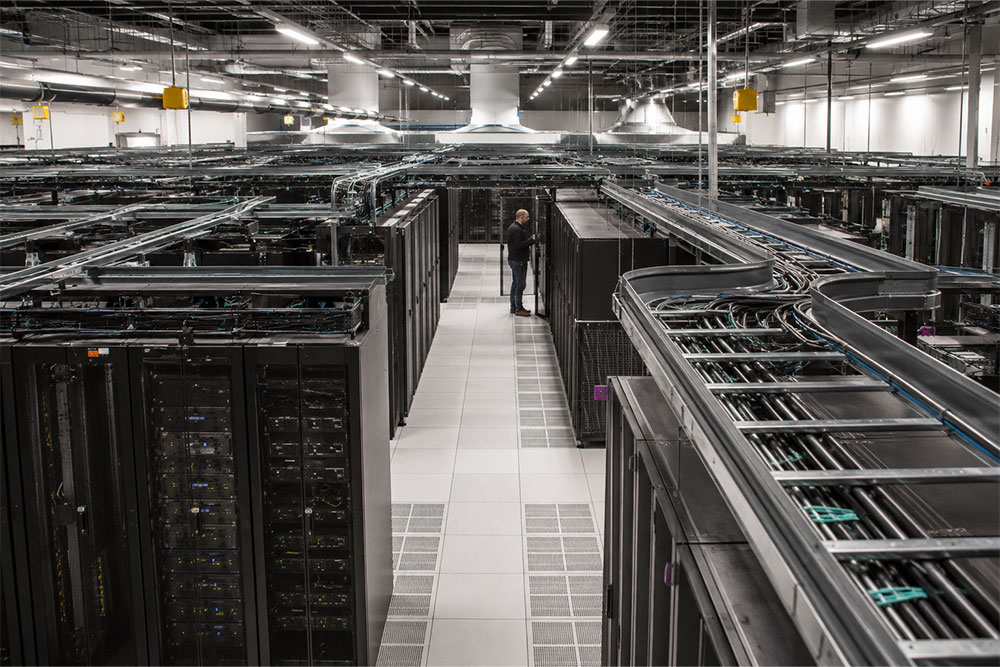
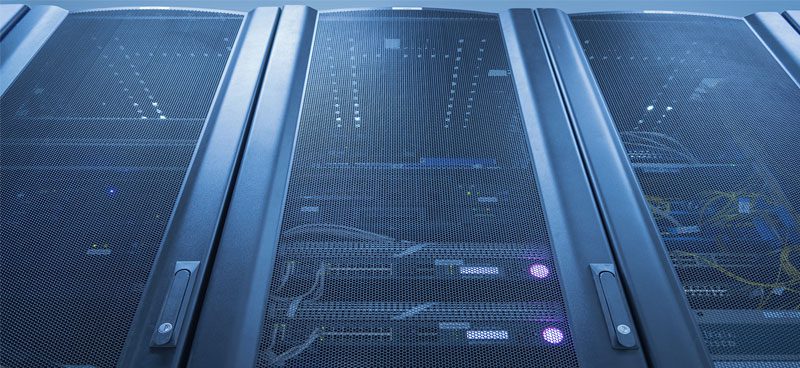
Colocation is the term used for servers and network connectivity systems housed within a remote data center. Understanding the full range of colocation advantages starts with the basics: at its core, colocation (COLO) gives companies increased scalability, stronger infrastructure and bandwidth, lower latency, tighter security, and a host of specialist services. As technology becomes more sophisticated, in-house hosting and management grows inefficient and costly, since it can’t scale the way a dedicated facility can. More companies are turning data housing and management over to large-scale data centers, which means higher productivity and lower costs.
Colocation services offer fully secure client access to private servers. A colocation provider gives clients a server housed in a remote data center, along with full access to that server. Other clients are unable to access the server. All hardware is managed by the client without interference from the data center, unless assistance is requested. This is colocation’s key selling point: clients get full access to the data center’s capabilities without losing control over how they manage their own hardware.
What Are the Colocation Advantages for Your Business?
1. Ease of Scaling
Scalability is crucial in today’s ever changing technological world. The ability to scale your hardware and software quickly, without extra costs, fosters rapid business growth and stronger security. By utilizing colocation, businesses avoid having to hire (and train) and fire staff as needs increase and decrease over time.
2. Improved Network Connectivity
Colocation providers house your server in an environmentally controlled facility. They also offer significantly faster bandwidth and multiple redundancy measures that protect your infrastructure from downtime and outages.
3. Top Tier Security
Providing your network and servers with the level of security offered through colocation centers is a costly proposition. For one flat rate, colocation centers layer in serious security: biometric scanners, closed-circuit cameras, coded access, alarm systems, and onsite personnel. All security measures are included in the service pricing structure.
4. Stability For Your Infrastructure
Onsite IT infrastructure faces a host of risks: company relocation, domestic or international terror threats, national security threats, natural disasters, and widespread power outages. Utilizing colocation services drastically reduces the risk of extended periods of downtime and service interruptions. Colocation centers run on multiple backup generators, with extensive contingency plans in place to protect client data and server operations during a state of emergency.
5. Predictable Monthly Expenses
Managing the needed infrastructure for operation on a month to month basis can be unpredictable for companies utilizing onsite IT teams. When housing their own servers, companies must purchase and maintain the equipment, staff, and insurance for every infrastructure component themselves. With colocation, you are paying one, set, monthly price regardless of increases in equipment or data management needs.
Curious about the full range of colocation advantages available to your business? Speak to a specialist about how to streamline your IT structure.