Physical and cloud servers do a lot of work for IT teams. They can be unpredictable, and many companies use them well below their capacity. They also produce a lot of data. Collected and analyzed, that data tells you how your systems are doing. But it takes steady monitoring, tracking, and storage to get there. How can an IT manager meet those needs without a big bill? A server monitoring service can do it. It collects and sorts the data, then handles maintenance and support as needed. Tools vary, but they all do two main jobs: support and tracking.
What support do server monitoring services offer?
You can support a server in other ways. But only server monitoring covers every key support task in one system. In the past, a person had to collect this information, make decisions, and act. Now the system mostly acts on its own, often by following set rules. So you need less extra staff, and decisions come faster. What are the benefits of real-time server monitoring? Let’s find out.
Promptly identifying server issues and alerting admins
One of the biggest benefits of real-time server monitoring is early warning. It spots server issues and alerts your admins before users feel the impact. If your business needs high reliability, those alerts help admins keep servers running and cut down on lapses.
Some servers sit at the center of critical systems. Think of medical treatment centers, law enforcement offices, and fire departments. When a server’s reliability can mean life or death, real-time server monitoring gives admins peace of mind. It also gives them better control of their servers.
Dependency maps between systems to check for potential vulnerabilities
Another strong benefit of real-time server monitoring is dependency mapping. A dependency map shows how your systems rely on each other. That lets you find and fix issues before they hurt uptime. Depending on your setup, it can also reveal bottlenecks and extra processes or components, so you can remove them.
Real-time monitoring can also cut the resources your servers use. That boosts uptime and lowers running costs. The savings may not be obvious at first. Over time, though, it can save you a lot of time and power.
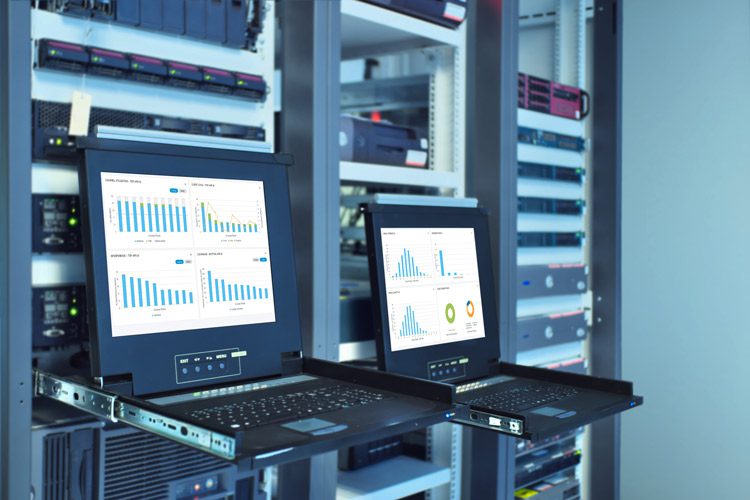
Centralized view of infrastructure
Tracking every server component is hard work for admins. For large companies with many servers, it can feel overwhelming, and that often leads to serious oversights. Real-time server monitoring helps admins keep track of every component from a single view.
From that one view, an admin can see and handle most tasks tied to server function and maintenance. Hardware failures still need someone on site. But virtual server monitoring can centralize almost every software task.
Trending and capacity planning tools
Real-time monitoring also includes trending and capacity planning tools. They help you tune your current setup and show you what to fix next. A skilled admin can gather this information by hand. But real-time monitoring gathers it faster and more completely.
Even skilled admins find this data hard to collect and read. Real-time monitoring helps at any skill level. It shows how much of each resource you use. Then you can decide how to use them best. Like the benefits above, this improves reliability and efficiency.
Event handlers to automatically restart failed services
Real-time monitoring can also find and fix issues caused by failed services. That boosts uptime and efficiency. A failed service can hurt a company’s whole server setup. In extreme cases, it can take entire networks offline. Event handlers help prevent that, so admins can stay ahead of surprises.
Most server admins do a good job of keeping servers running. Even so, the best admins have to sleep, eat, and take time off. Even with shift work, failed services can go unnoticed. That leads to downtime and hurts efficiency. With real-time server monitoring services, event handlers restart failed services quickly. No admin needs to step in.
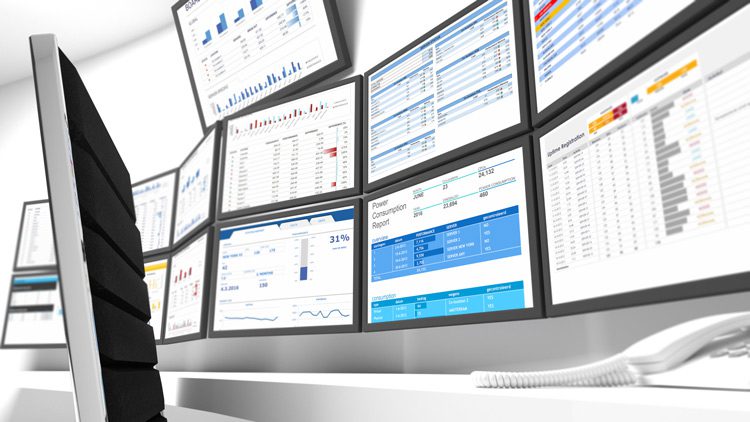
Tracking functionality of server monitoring services
Beyond support, server monitoring services also track your data. They help you catalog, inspect, record, and analyze it, and then adjust based on what you find. Without tracking, you wait for a critical component to fail, then work backward to find out why. With tracking, IT staff can anticipate issues and act early.
Tracking usage trends can also back up a case for needed expansion. More advanced server monitoring services can pull metrics from Amazon Web Services, Google Cloud, and Rackspace as needed. In the end, this improves efficiency and cost-effectiveness.
This is one of the primary benefits of real-time monitoring. You maximize efficiency using real data and live adjustments. Used fully, real-time monitoring can give you smoother, more reliable servers with less maintenance.
Server monitoring services seamlessly connect with new tools
Modern server monitoring services don’t struggle to connect to the newest virtual servers or containers. They have those capabilities built in from day one. As your company or system grows, the monitoring system grows and adapts with your server network.
This easy integration of new functions is one of the most compelling benefits of real-time server monitoring services. Busy admins have little time to spare. Real-time monitoring tools save time and cut waste as long as your server is running. When new features roll out, you can add them to your existing setup with minimal effort.
Real-time benefits
Saving time and money is always a bonus. But how does a server monitoring service work in day-to-day business? The support systems assess and prevent issues on their own. When issues do occur, the system handles them without human intervention. It can also send live notifications by email, SMS, or custom scripts, so you can adjust exactly when you need to.
Data tracking also gives you a live picture of usage and metrics, at any time. You could get these services before, but only through expensive, separate systems. Those systems were hard to scale or apply to virtualization. Server monitoring services now offer a cost-effective and powerful solution.
Ready to See How Volico Data Center Can Help You?
Got questions? Want to talk specifics? That’s what we’re here for. Volico Data Center can help you understand your needs. Want to see how a server monitoring service can simplify your cloud servers or physical ones? Have one of our friendly experts contact you to start the conversation.