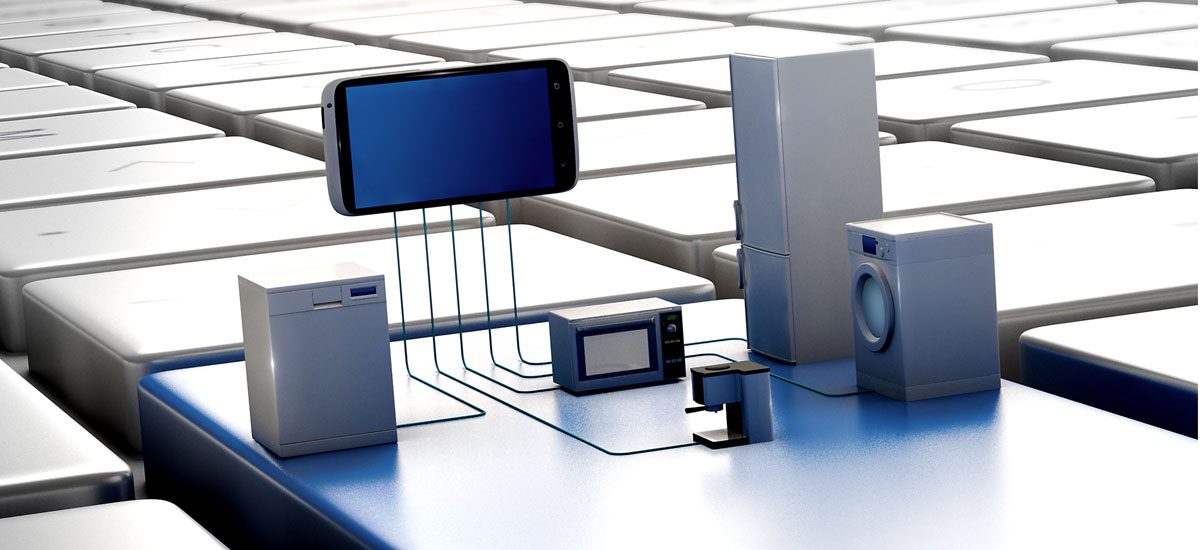
The Internet of Things is set to revolutionize how consumers live. It will also change how companies design products for those consumers. It stands to make products significantly more intelligent by allowing them to communicate with one another using the Internet.
The benefits of this seemingly simple upgrade to the typical product are astounding. Clothes could monitor the health condition of a consumer. Sneakers could have the ability to measure how many calories a person burns and act as a GPS device. Refrigerators could send a signal to the grocery store to have new groceries delivered. They could also notify the owner at work that they’re running low on milk.
The possibilities for this technology are endless, but solving a few unique challenges comes first.
Challenges with the Internet of Things
For example, consider the way these Things will communicate with one another. It would be too cumbersome for each component to act as both a server and a client. This will remain true until the technology develops significantly.
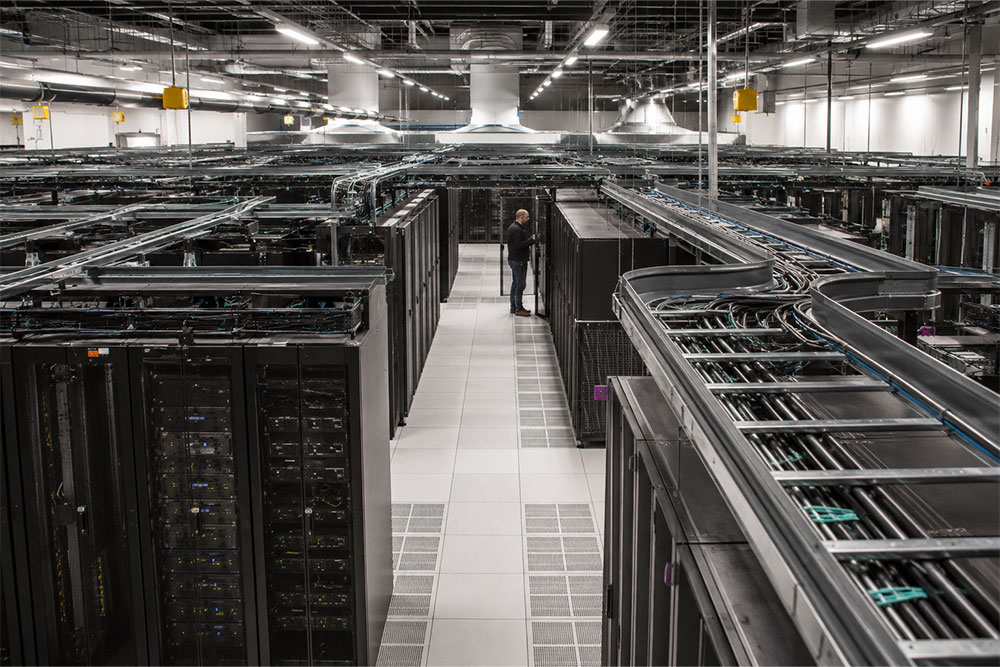
One way to solve this problem is to utilize secure hosting capable of analyzing and sending messages between the different products when they try to communicate. This makes a centralized hub that could work with almost any Thing on the Internet.
Another problem arises when connecting many more Things to the Internet of Things: the need for more throughput capacity. Secure enterprise hosting capable of doing this will be difficult but necessary to find.
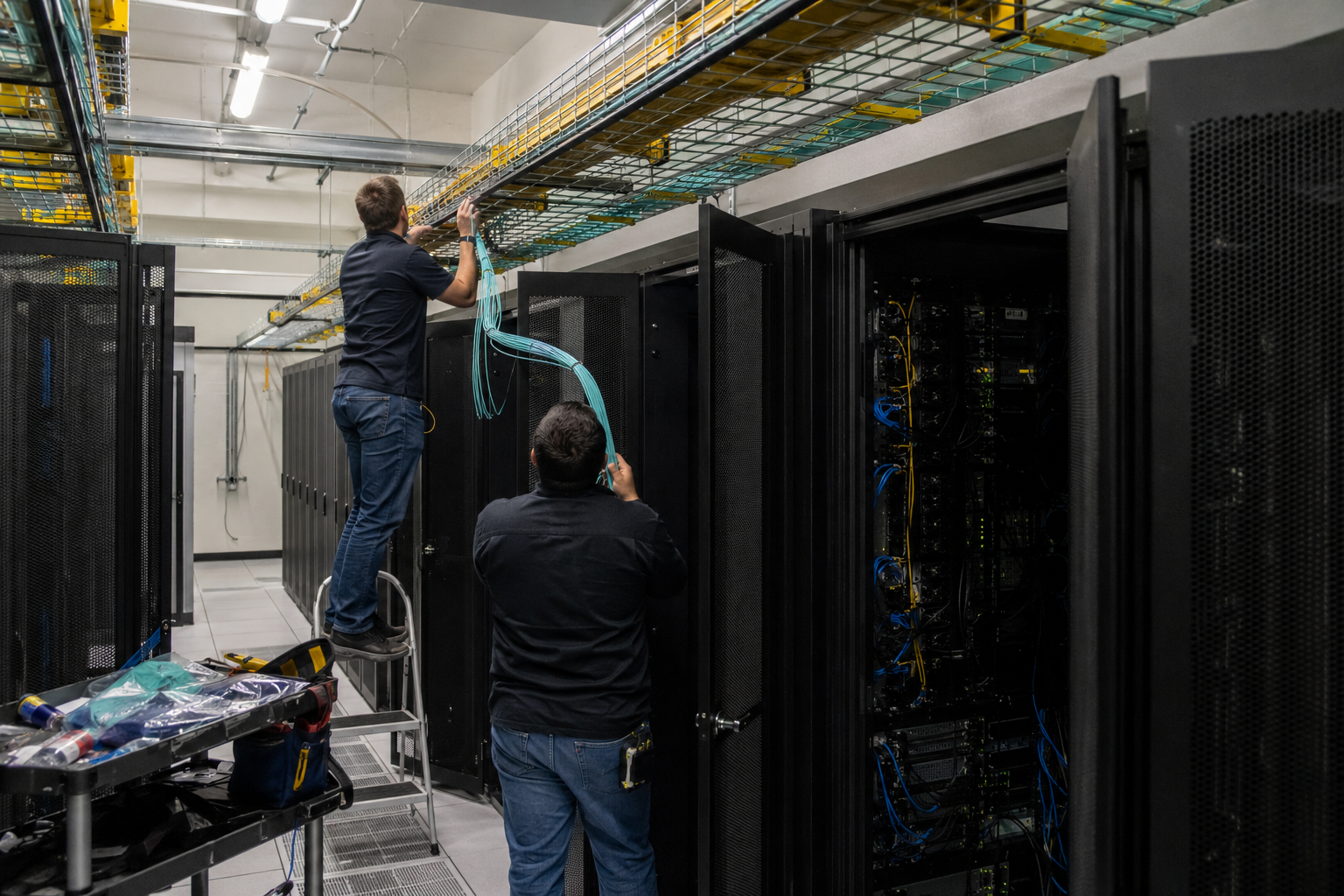
Depending upon the type of data that Things collect, secure compliant enterprise hosting may be a necessity. Businesses will likely need to store data that could identify a person on these types of servers.
The Benefits to Industries
While there will be countless challenges, there will be as many or more benefits brought by the Internet of Things. Industries will become more efficient and increase their manufacturing capabilities. They will also learn far more about their customers than they presently can.
The greatest changes from the Internet of Things will likely be brought about by overcoming the challenges outlined above. More efficient server hubs, new ways of networking components together, and a standardized machine-level Internet of Things language will all help. Together, these advancements will go incredibly far across the board.
Smarter Everyday Integration
Everyone has had the experience of losing something and wishing they could just do a Google search for it. Imagine finding that lost item in the real world just as easily. That is becoming closer to a reality.
The Internet of Things takes several ideas that are common in the world today, like widely available hosting, improved bandwidth, and cloud technology. It then takes them one step further. A true Internet of Things could allow for much more integration between personal devices and ordinary objects.
We already see that innovations like smart home technology can unite temperature control, locks, appliances, and other items. Automation tools bring them together into a simple interface. Faster Internet connections, especially wireless ones, could unleash a wave of new innovations. The same is true of robust hosting to store the massive amounts of data an Internet of Things would require.
The Road Ahead
We are still years away from being able to do an Internet search for items in our own homes. Even so, the conceptual groundwork is laid. Don’t be surprised if ideas that look more and more like precursors to connecting everything to the Internet start to appear. They will be specialized and independent at first. Picture a way to network home entertainment together, a way for your fridge to track the food inside it, and a way for your medicine cabinet to keep an eye on your prescriptions.
These little conveniences will start to add up and interact to a greater extent until eventually, almost everything will be in the network. Nobody is really sure what will happen then, but it will certainly require an upgrade of our Internet architecture. Cloud computing will become commonplace in every application of networked devices, and people will need external hosting to handle all of the interactions and information just from their own home. It will be exciting!