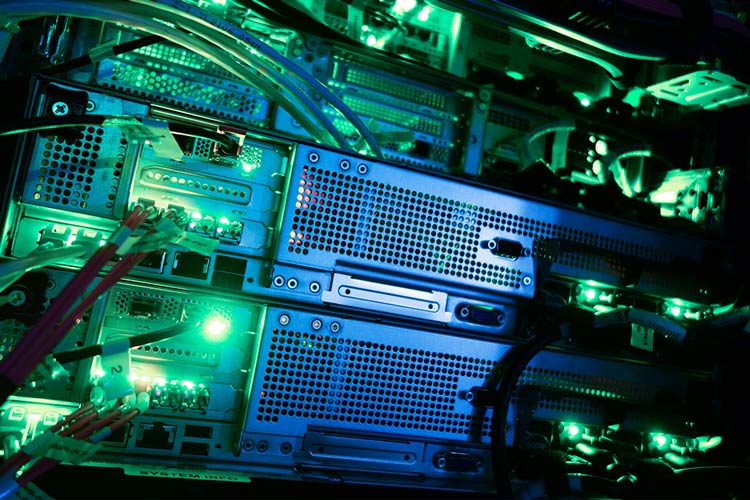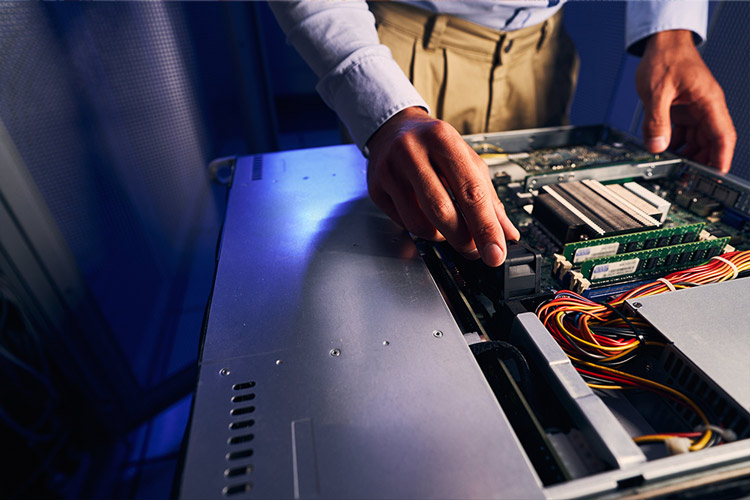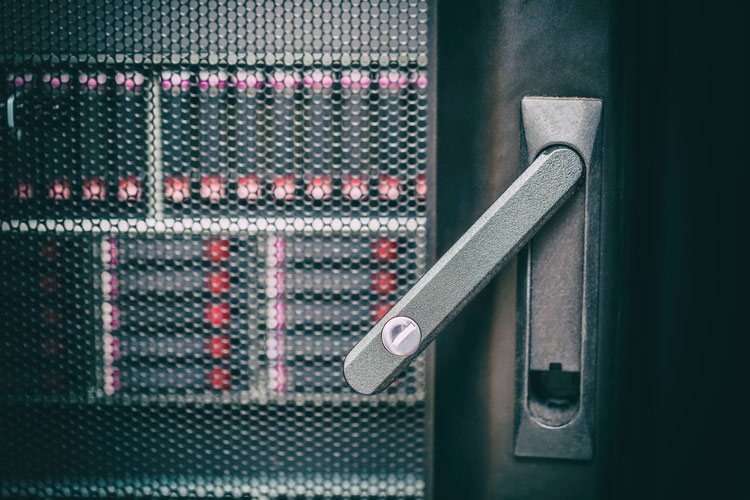
When it comes to physical access, the cabinet is the last potential point of vulnerability in the data center. Because of this, physical data center security measures on the cabinet-level can be crucial. This matters even more in edge data centers, multi-tenant sites, and remote environments, because those sites keep cabinets on-premises. The old approach was a lock and a key. But as technology evolves and security requirements grow more complex, locks alone are not enough. Teams now need solutions that manage that complexity without adding risk.
Many organizations are moving away from on-premises infrastructures and toward colocation and cloud solutions. Even so, they have major concerns about physical data center security when they choose a third-party facility. With a large number of evolving threats and strict compliance requirements, protecting data requires a persistent focus on all levels. Many people call cabinet-level security the “fourth layer” of data center security. It takes a set of specific measures to protect individual server cabinets.
Even with robust high-level security measures, data centers remain vulnerable to threats targeting individual server cabinets. Here’s what data center professionals need to know to protect their critical infrastructure. This article covers essential physical data center security measures, with a focus on cabinet controls.
Understanding Physical Security in Four Layers
Layer 1: Perimeter Protection
The first layer of physical data center security detects and delays illegitimate entries at the facility perimeter. Video surveillance systems and motion detectors protect the data center. They identify individuals and detect unauthorized activity, so staff can respond quickly. This first layer ensures that no one breaks into the data center building by jumping a fence, for instance.
Layer 2: Facility Controls
If someone gets past perimeter security, the second layer restricts their movement. Access control systems require an access card or a biometric scan to identify legitimate access. These controls recognize personnel and people with authorization and stop infiltrators from entering.
Layer 3: Computer Room Controls
The third layer protects the core of the data center: the server room or rooms. It adds controls such as biometric fingerprint or retina scans. Layer 3 typically has its own access and surveillance controls. They block intruders, so the most important parts of the data center stay out of reach.
Layer 4: Cabinet Controls
The server cabinet controls are the final layer of physical data center security. Intruders who manage to get through the previous layers shouldn’t find servers lying there as free prey. This last layer of defense keeps malicious actors and internal threats away from individual server cabinets. That lowers the risks of a data breach.
Types of Cabinet-Level Security Controls
Cabinet-level security systems can take many forms, the most straightforward being traditional locks that open with a conventional key. However, these old solutions might not provide the security needed today in a server room. Thieves can pick locks, staff can lose keys, and keys can end up in unauthorized hands. The more people need cabinet access, the more complicated it gets. Also, it’s almost impossible to find out who used the key and when in case of an incident.
More advanced cabinet level data center security systems and strategies exist, though, which can provide a smarter approach. These can be:
Card-Based Access Systems
Card-access systems usually connect to a larger security system. That system manages and tracks activity across the data center perimeter. These systems provide the advantages of traceability and a higher level of control. Card systems can come in more advanced versions, which use high-frequency and bidirectional communication, making them harder to replicate.
Biometrics-Based Authentication Systems
Fingerprint or retina scans provide an even higher grade of security. These systems require the authorized person to be physically present to open the cabinet. That rules out unauthorized access with a stolen key or access card. BIometrics-based also comes with the perk of audit traceability.
Surveillance Systems
When it comes to choosing where to place cameras in the data center facility, server cabinets make no exception. As simple as it is, recording activity in the cabinets can be crucial.
Monitoring Software
Data center operators benefit from real-time server monitoring software. It warns operators about any access that breaks the usual pattern. Together with centrally managed access control systems, these reveal access attempts and trigger an alarm in real time.
Dual Custody
Dual custody is a long-standing security method. Two people, each with a different key, must be present at the same time to open the cabinets. This is an excellent method when cabinets need extra high-level security.
The Vital Role of Cabinet Control Security
Cabinet control might seem small when compared to other measures like building access control or surveillance. However, cabinet-level security is more than essential for several reasons. It addresses the specific risks of physical access to the IT equipment itself. It also helps safeguard data, systems, and hardware against direct threats like theft and damage. Let’s look at the most important aspects of its security role.
Protection From Insider Threats
As unlikely as it may seem, insider threats can sometimes emerge. An employee with access elsewhere in the data center can misuse that access to harm the operator. In a situation like this, unsecured server cabinets can pose significant risks to data security. Security cabinet controls help mitigate these threats, because they restrict access to people whose roles require it.
Preventing a Data Breach Incident
Cybersecurity is getting more attention nowadays. However, physical security matters just as much, because unauthorized access to server cabinets can lead to data breaches. Imagine an individual who operates the servers on behalf of a company at a colocation data center. Without cabinet-level security measures, they could access another company’s servers with the intent of stealing data. Cabinet security controls help maintain the confidentiality of data by limiting physical access only to authorized personnel.
Safeguarding Equipment Through Monitoring and Auditing
Server cabinets store valuable IT equipment, so security measures must protect it. Cabinet control systems often include logging and auditing capabilities, which allow operators to track who accessed the cabinets and when. This is crucial for accountability and makes investigations easier after a security incident, damage, or theft. Also, these controls prevent even the rarest accidents, such as someone entering the wrong cabinet.
Ensuring Compliance
Industries like healthcare and finance have very strict compliance regulations regarding data protection. Cabinet control security provides the last level of physical data center security. It is also necessary to comply with the strict regulations of these industries.
Staying Safe at All Levels
Even if a data center has every other security measure in place, some threats only cabinet-level measures can stop. Fortunately, technology now offers state-of-the-art server cabinet protection. It safeguards the most important part of the data center. These modern measures give data center operators benefits that no other security system offers for server cabinets. Cabinet-level access restriction will keep playing a key role in protecting data and equipment. It also remains one of the most crucial elements of a successful physical data center security strategy.