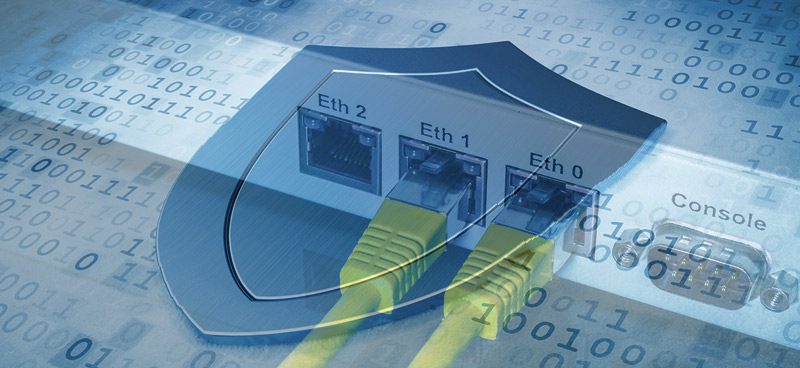
Firewalls help protect computers, applications, and networks from external attacks. They act as security software, serving as the gatekeeper for a network and only letting authorized traffic in and out. Most company networks start out as secure environments, but outside networks such as the internet put that security at risk. Firewalls minimize these outside risks.
Types of firewalls
There are two basic types of firewalls: hardware and software. Manufacturers build hardware firewalls directly into the hardware device, and some operating systems include one by default. Software firewalls work differently since companies usually buy them separately from the hardware and install them on servers running general-purpose operating systems such as Microsoft Windows.
IT departments usually look at the following factors before deciding on the firewall they need:
- The firewall architecture – for either hardware or software
- The types of external entries and protections the network needs
- The number and types of virtual private networks involved
- The way the IT department wants to manage the firewalls
IT teams should also consider other concerns, such as compatibility with any existing firewall protections.
Price
For personal or small business use, a basic firewall can run about $100. For larger companies, the cost of firewall protection can be more than $20,000.
Types of firewall protections
Firewall hardware and software have evolved since firewalls were first introduced back in the 1980s. Some of the common types that may apply to today’s technology industry are:
- Packet-filtering firewalls. These firewalls examine Internet Protocol packets based on the IPs and addresses only. The firewall uses predetermined rules to decide which packets to accept and which to reject. It doesn’t look at the internal data in the packets. These firewalls are cost friendly and easy to operate. They are mainly for homes and small companies.
- Circuit-level firewalls. This is a more secure firewall than packet-filter types. There are more rules for acceptance – such as checking the source and destination IP addresses, the ports, user logins and passwords, and even the time of day. The firewall may also limit acceptance to a short period of time. They are more expensive and require more maintenance, possibly including more programming than packet-filtering firewalls.
- Application-level firewalls. These firewalls communicate with a server behind the firewall. Rules allow some communications with the server while blocking others. The firewall can limit access based on file type and whether the user has authority. These firewalls allow for close traffic monitoring and let an IT administrator sound an alarm if someone breaches the firewall.
- Stateful multilevel firewalls. This is essentially the deluxe version, which includes the best traits of the various other firewall types. They offer the most security at the highest price.
Additional features
Firewall vendors keep developing new add-on features, so networks stay protected against emerging threats. When purchasing firewall protection, the ability to upgrade to newer and better products should be a priority. Some of the current add-on security features are anti-virus protection, content filtering, and reporting mechanisms.
Speak with a security professional about firewalls to protect your IT systems and data
Security is a priority for any network. The more a company has to lose and the more network traffic the business has, the greater the need for better firewalls. Choosing the right firewall can mean the difference between a profitable business and one that doesn’t run properly or has downtime due to external attacks.
Ready to See How Volico Data Center Can Help You?
Got questions? Want to talk specifics? That’s what we’re here for.
Have one of our friendly experts contact you to begin the conversation. Discover how Volico can help you with your Managed Security needs.
• Call: 305 735 8098
• Chat with a member of our team to discuss which solution best fits your needs.