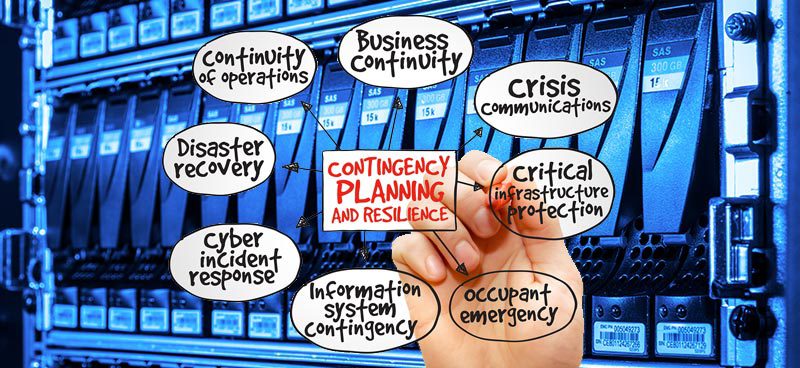
Disasters happen, whether man-made or natural. Over the past decade they’ve pushed business continuity and disaster recovery to the top of every IT leader’s priority list. Hurricane Sandy’s year-long fallout showed why. So did the rise of cyber terrorism. Businesses need both disaster recovery (DR) and business continuity planning (BCP). People often treat the two terms as if they mean the same thing.
The confusion comes from how similar the terms sound. Both BCP and DR share one goal: keeping your key operations running right after a disaster. The goal is little to no downtime. This article explains BCP and DR. It also covers the differences between them, so you can decide which one your business needs most.
Understanding The Basics of Business Continuity Planning (BCP)
Business continuity planning (BCP) covers the steps that keep your key operations running right after a disaster.
- Goal of BCP: set up steps that let your business keep running with little to no downtime.
- Components of BCP: plans for key staff, plus backup contact and billing details for vendors and clients. They also cover backup of key files and a plan to move your team if you lose your building.
When you decide what to include in a BCP, ask yourself one question: can it fail? If it can fail, and your business depends on it, put it in your backup plan.
Understanding The Basics of Disaster Recovery (DR)
In fact, disaster recovery is a part of business continuity planning. It’s a more technical set of plans built for specific teams in a company. Teams build DR as part of the business continuity planning process. DR covers backup of key data and apps, not staff and buildings.
- Goal of DR: make sure your business can get key data and apps back fast. These keep your data center, IT systems, and servers running.
- Components of DR: plans for backing up data centers, servers, IT services, and systems that a disaster could damage.
You can choose a managed disaster recovery service, or build your own process in house. Either way, DR needs your data stored off-site so it’s ready to restore fast after a disaster. Backup copies are the key to good DR.
Business Continuity and Disaster Recovery: What’s the Difference?
At the most basic level, the difference comes down to which parts of your business each one protects. BCP covers people and places, while DR covers data and apps. The scope of your plan depends on a few things. These include your budget and the size of your business. They also include how much you rely on tech and how much cloud storage you already use. Before you build and run a disaster recovery plan, check with your local data center. Many providers offer managed disaster recovery for clients.
Determining How To Best Meet Your Business’s Needs
BCP focuses on your key operations: how you recover buildings, equipment, and day to day work. Disaster recovery focuses more on getting your systems and tech back up. Whether your business needs both depends on its size and setup. A simple way to find that out is to look at what your business needs to run each day. Ask what data, apps, servers, and staff are key to your operations. Ask which ones would cost you the most money if you lost them for hours or days. As a result, those are your key systems, and you must back them up.
Ready to See How Volico Data Center Can Help You?
Got questions? Want to talk specifics? That’s what we’re here for.
Have one of our friendly experts contact you to begin the conversation. Discover how Volico can help you with your Business Continuity Planning and Disaster Recovery needs.