Data is one of the most essential assets for modern-day businesses. Managing it properly matters more every year. With such a large base of consumers, companies rely heavily on their data storage methods for business continuity and growth. Because data is so important, finding the best data storage methods for your company is crucial.
With modern-day technology, companies can use data to power algorithms and gain invaluable insight. Algorithms can help increase revenue and collect data about customers and competitors. Deciding how and where you store your data is among the most crucial business decisions you’ll make. Nowadays, companies rely on their proprietary data assets to make some of their most critical business decisions.
Choosing the proper data storage solution is a challenge for many organizations. To decide well, companies must weigh off-premises, on-premises, and cloud-based options. Here are some of the most valuable data storage methods that will help your business thrive and scale.
What is Data Storage?
Before we compare data storage solutions, let’s define data storage and see how it affects your business. Since organizations use multiple sources for collecting data, it is crucial to ensure that data is accessible and secure. Data storage simply describes how people use physical media to keep information for later retrieval.
Storage technology has improved over time. Mobile devices, applications, and the internet keep raising how much data we can collect and transmit. There are about 2.5 quintillion bytes of data created each day, and the number is only growing. You do not need to store all data, but the data you do keep must be accessible and secure.
Data storage means keeping information on physical media so you can retrieve it when you need it. Storage technology has changed significantly throughout the history of computing. What started with mainframe computers evolved into SSDs for fast data storage.
The Importance of Data Storage
Having a reliable data storage method allows you to make better business decisions and help grow the company. Depending on the type of data you store, you can develop better products and improve customer experience. You can also create a better working environment for employees. However, before you can use data to your advantage, you need to store it and manage it correctly.
Suitable data storage methods offer you the means to easily access and manage data. Companies also need to consider how to protect their data from attackers. Also, the data storage solution you adopt needs to align with your network capabilities. Storage systems will also require multiple storage units.
Main Storage Types
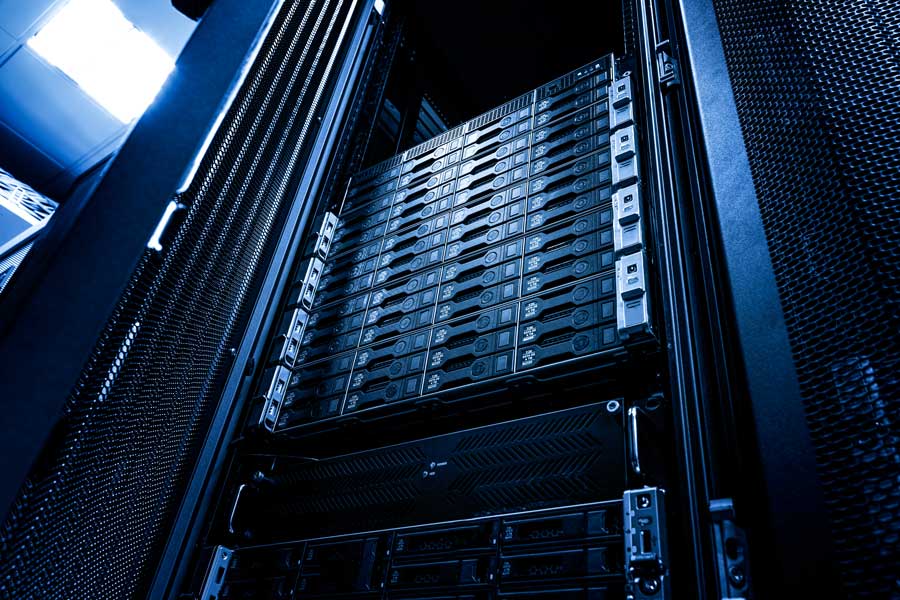
Companies adopt a few main types of storage, and each solution has its pros and cons. Here are the most important data storage solutions that you want to consider for your business model.
On-Premise Data Storage
One of the most traditional ways to store data is the on-premise storage solution. Some companies want complete control over their data storage. Because of that, the on-premise solution became the best method for businesses that are particular about security. However, companies that own and manage their servers must also weigh the high costs of on-premise data storage.
With on-premise data storage, the data owner takes full responsibility for building and overseeing the IT infrastructure. Typically the servers sit in a dedicated data room or a private data center facility. This method gives excellent control over network and data, but managing every aspect usually costs a lot.
Cloud Data Storage
For companies that opt to go this route, cloud storage is a much more forgiving solution. With cloud storage, you do not need to buy your own hardware, because a cloud provider hosts all your data. You can easily access more computing resources or storage to meet your growing needs by using the cloud. Also, cloud storage is an excellent resource for companies with work-from-home policies. With more employees working remotely, access to data from anywhere in the world is very important.
The drawbacks of cloud storage solutions come from the open nature of the environment. Public clouds take security very seriously. However, companies that store sensitive data find it difficult to protect it from unauthorized access. Data protection is rarely a concern for public cloud providers. Still, companies that need higher security can opt for private cloud deployments. These keep their data storage virtual through a virtualized infrastructure.
Hybrid Cloud Storage
Hybrid cloud storage combines public and private cloud environments. With hybrid cloud storage, companies can decide which cloud to store data. For example, a private cloud usually suits highly regulated data with strict archiving and replication requirements. Less sensitive data can live in a public cloud. For a software-defined option, read how Ceph is changing storage. Some businesses use hybrid clouds to improve their internal storage networks with public cloud storage.
Colocation Storage
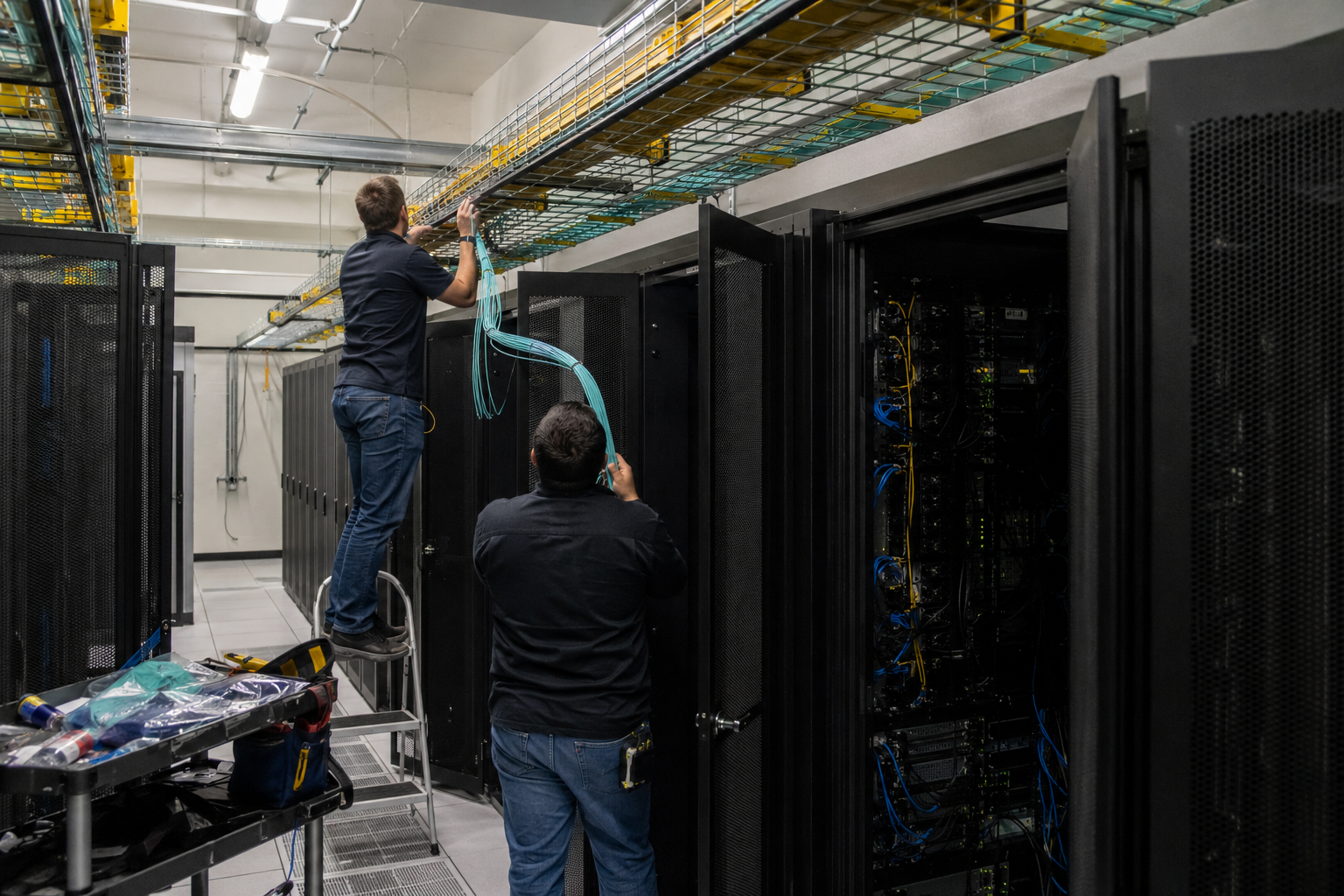
Many companies like the idea of storing data on their own equipment with complete control. But for many small to medium companies, managing that equipment is too much to handle. Power and cooling needs can be challenging to accommodate. Adding new services or features to an IT infrastructure can also be time-consuming.
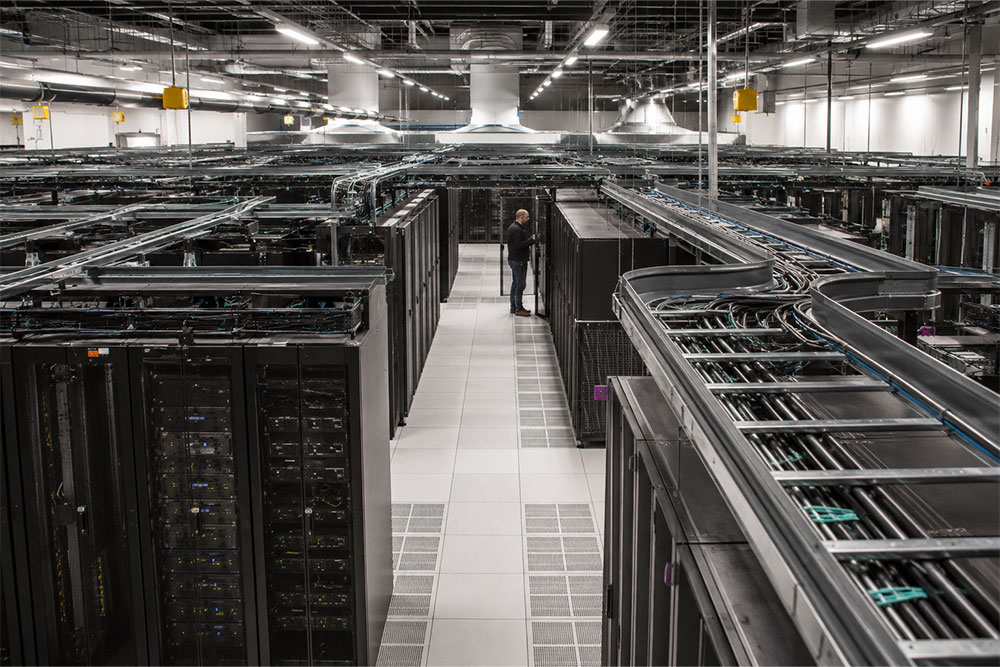
With colocation providers, companies can place their IT infrastructure in an off-premises data center. They keep the same level of control over their data that an on-premise solution gives. Rather than dealing with variable operating costs, colocation customers benefit from predictable pricing for power and cooling. Colocating also lets companies add new features to their network easily, thanks to the data center’s connectivity options.
Colocation data centers offer robust security and compliance protocols in a protected environment. These are much harder to implement in an in-house solution. Overall, colocation storage is an excellent business data storage method for companies that want control, scalability, and security.
Different Types of Storage Devices
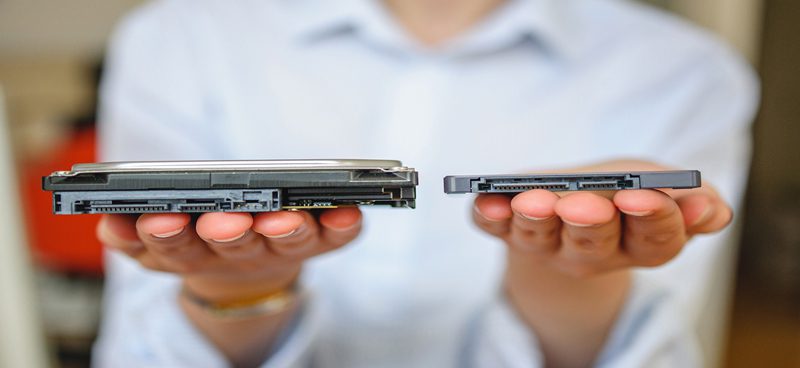
The market offers various storage devices that you can use for your business storage methods. Each machine has its own advantages and disadvantages, so here are the main devices and their pros and cons. If you are also weighing how to arrange drives, read our JBOD vs. RAID comparison.
Hard Disk Drives (HDD)
Probably one of the most widespread storage devices available on the market is the hard disk. An HDD stores data on circular magnetic disks, and a sensor arm reads and writes it. An HDD works on a principle similar to a record player or compact disc. If you want more data transfer speed, you need to increase the disk rotation.
Hard disk drives usually offer better performance, but the disk rotation limits the speed. Most HDDs offer 7000 rotations per minute, and the most expensive can reach 15000 RPM. An HDD lasts 3 to 5 years, but HDDs are cheaper than other drives.
Solid State Drives (SSD)
SSDs are different from HDD in the way that they don’t have any moving parts. These drives use NAND flash memory for storing data, and they are about 5-10 times faster than HDDs. With a longer lifespan compared to HDD, they represent one of the most efficient storage devices. SSDs have two downsides. They cost more than HDDs, and each memory block stores limited data, so they are unreliable for backup data. For a deeper look, see our guide to hard drives versus solid-state drives.
Tape Drives
Tape drives are a low-tech solution and one of the oldest forms of data storage. Organizations have used them for decades to store large volumes of data. Companies still use modern tape drives to store archival data that does not need quick access. Also, tape drives often last thirty years or longer and need little maintenance. That makes them an ideal storage device for backup solutions.
Tape drives are relatively inexpensive. However, the drive system required to read or write data is expensive to maintain and difficult to manage. Many companies utilize tape drives for disaster recovery. Their systems have stayed the same for many years because migrating to newer technologies costs so much.
Final Words
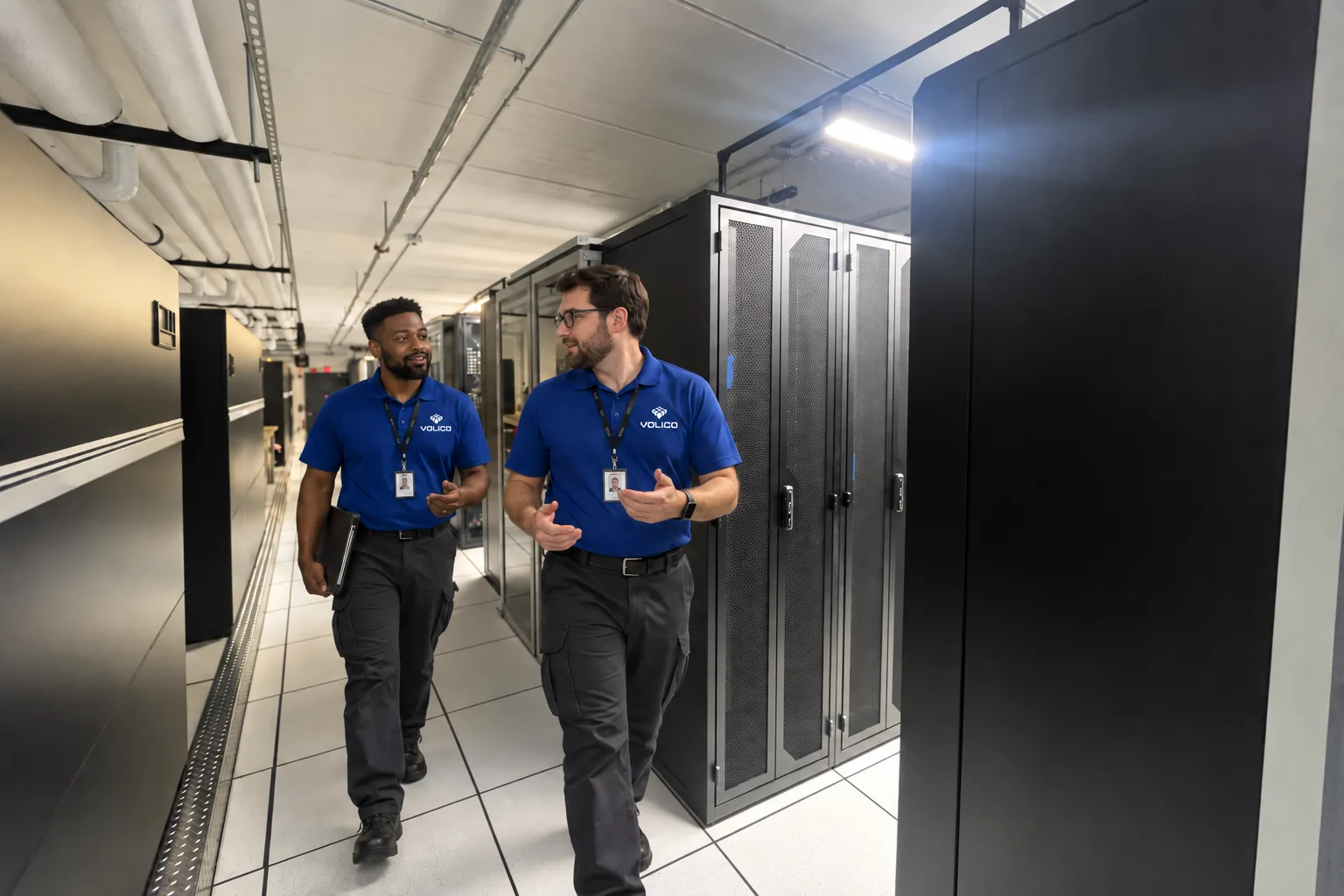
With these data storage methods at your disposal, you can choose whichever suits your company’s storage needs best. You can also combine several storage solutions into a hybrid data storage deployment that offers the best of both worlds. Colocation data centers can also play a pivotal role in your data storage solution. With the help of Volico, you can migrate your IT infrastructure to some of the best data center facilities. With Volico, you get all the advantages of enhanced security and a dedicated IT team in a fully scalable environment.
Discover Effective Data Storage Methods with Volico Data Centers!
Data centers colocation can play a crucial role in your data storage solution. Colocation providers give you access to comprehensive cloud storage options. Their power-efficient infrastructure also makes it easy to add new hardware storage solutions.
A storage specialist can help you compare the different solutions. The right choice keeps your data protected and ready to restore without interrupting your business operations.
Want to learn how your data center can transform your approach to data storage? Schedule a call with one of our experts today.
• Call: (305) 735-8098
• Chat with a member of our team to discuss which solution best fits your needs.