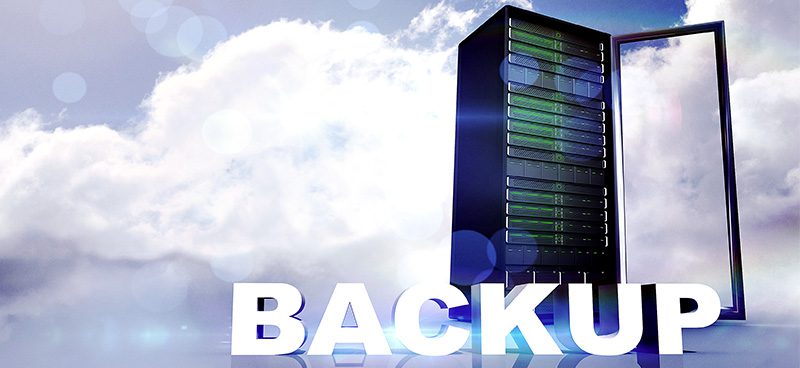
News stories of major website crashes have become a near daily occurrence. The financial effects of these crashes are nothing short of catastrophic as a result of a reduction in consumer trust, loss of revenue generally accrued during these hours and the financial outlay required to get your site live again. Backing up all the files, applications and scripts that comprise your company’s website is critical.
Why Website and Application Backups Matter
Hacking
Website hacking has become commonplace, and as hackers grow more sophisticated, so should your security measures. Website and application backups add one more barrier between a hacker and your sensitive data. If a hacker compromises your site, a full backup lets your team restore the original code and add new security measures. That’s faster and safer than rebuilding the entire site from scratch.
Rogue Updates
Updating all applications and software on your website is a widely recommended way to prevent hacking. But updates can occasionally go rogue, damaging your site’s structure and performance. Your website is made up of multiple components, including plugins, software, backend programming and themes. If an update to any one of them goes wrong, it can crash your entire site.
Human and Computer Errors
Regardless of how experienced your staff is, people make mistakes. An employee can crash your site just by deleting a vital file or uninstalling the wrong application. The same goes for your computer system – hardware can crash, get lost or stolen. Backing up your site and all of its applications keeps a mistake like this from becoming a catastrophe.
How to Backup Your Website and Applications: A Guide
- Contact Your Hosting Platform. Ask what website backup services they provide.
- Contact Your Programmer. As the creator of your site, your programmer already knows how to manually back up every part of your website and its applications.
- Research Backup Services. Costs vary, but each service adds a layer of security worth the investment. Ask what a provider covers and how they notify you of outages, then test their interface for ease of use before you buy. For a deeper framework, see NIST’s contingency planning guidance.
- ZIP Files for Small Businesses. Small businesses can often compress their entire site into a ZIP file and email it to themselves – though this only works if you’re not planning to expand in the next five years.
- Save All Files. This shouldn’t be your only backup strategy, but keeping more than one copy of your files is a simple, low-cost way to add protection.
Contact your hosting platform to ask which backup measures they use, then add your own strategies on top. That way you can recover files, applications and content quickly if an outage happens. Call Volico at (305) 735-8098 to talk through a backup strategy for your website and applications.