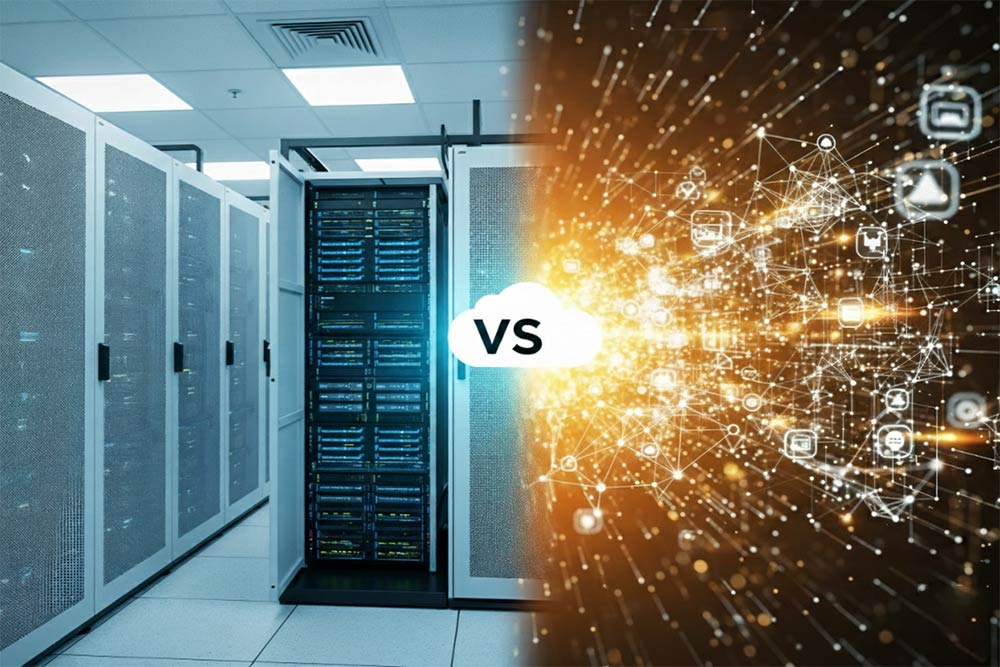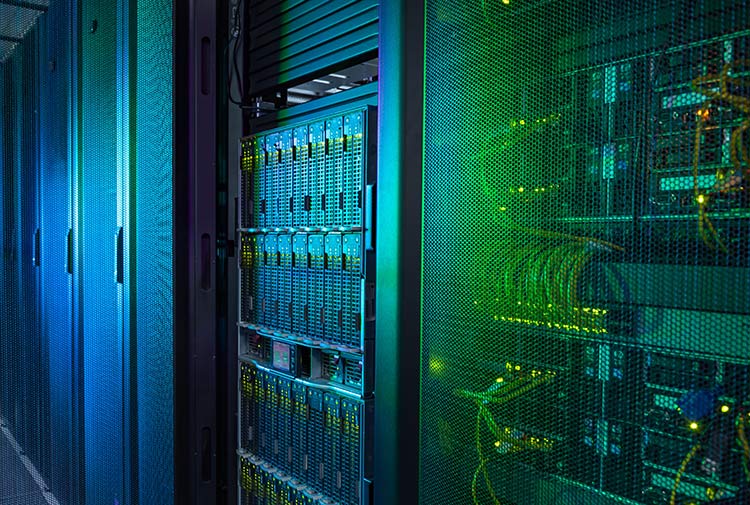
Managing data and IT infrastructure securely and efficiently is a constant challenge for organizations. Business moves fast today, and success depends on finding the best way to manage infrastructure of unprecedented complexity. Modern colocation services have become an important part of data management strategies. They offer the flexibility and reliability that organizations need to thrive.
Colocation services have changed a lot. Traditional facilities that simply rented out space have become indispensable business partners. They provide the backbone organizations need to navigate today’s complex IT landscapes.
This article looks at how colocation services have evolved to meet today’s data management needs. It also shows why modern colocation remains a pillar of business success. Let’s dig in.
Moving in Tandem With Constant Change
As data usage and business needs evolved, so did colocation services. Modern colocation isn’t merely about space and power anymore. Its role in global digital strategies has become crucial.
Colocation traditionally meant placing hardware in a third-party data center. This was a cheaper alternative to running a private data center. As a result, businesses could focus on product development and customer service instead of managing physical infrastructure. The primary concern then was securing space and power while minimizing costs.
Today, modern colocation plays a critical role in global digital infrastructure strategies. It supports advanced applications and on-demand services. Colocation data centers have also become important meeting hubs. Businesses can interconnect there with partners and service providers, which opens up new opportunities.
What changed the way businesses use colocation services today? Four trends explain it:
- The growing importance of the edge
- The world is going hybrid
- An increasing demand for better scalability and redundancy
- Pressing concerns around sustainability and energy efficiency
Let’s explore each one in more detail.
The Growth of the Edge
AI has stepped out of our imagination and into real life. As a result, what we expect from data centers has changed radically. Cutting-edge technologies like AI need huge volumes of data processed almost instantly. The Internet of Things connects devices across industries. These devices produce a lot of data, and companies have to process it in real time. For these applications, speed is crucial because they are highly sensitive to any delay.
Since long-distance data travel inevitably adds latency, a few centralized data centers are no longer enough. Instead, businesses need data centers at the network edge, close to the data source. This makes processing quicker and more efficient.
Decentralizing data processing has some perks for companies. It reduces operational costs, improves performance, and better supports applications that rely on immediate data insight. As technologies continue to advance, the edge will become more critical in delivering high-quality user experiences. Edge data center growth will likely drive even more colocation demand.
The World is Going Hybrid
Every business has different needs, so each benefits most from a different mix of services. Many organizations hesitate to use cloud services because they fear losing control over their data. Cloud-native storage costs more and offers less flexibility when it comes to moving data out. Data security and privacy are top concerns today. Enterprises have to confirm that their third-party cloud provider has the right security measures and compliance in place. Only then can they keep sensitive data secure.
With so many different configurations today, flexibility is key to finding the optimal solution and minimizing costs. No wonder most businesses find that a hybrid multi cloud architecture yields the best results. This solution comes with its own challenges, however. A hybrid multi cloud environment needs state-of-the-art interconnection to deliver the desired results. Managing and securing data across multiple platforms is more critical than ever. Organizations need reliable hybrid cloud solutions that let them handle it seamlessly.
Demand for Better Scalability and Redundancy
The growth of data volumes is a challenge for managing IT infrastructure. Colocation providers play a crucial role here. Redundancy is the token of resiliency. Today’s businesses need partners that can offer them the security of business continuity.
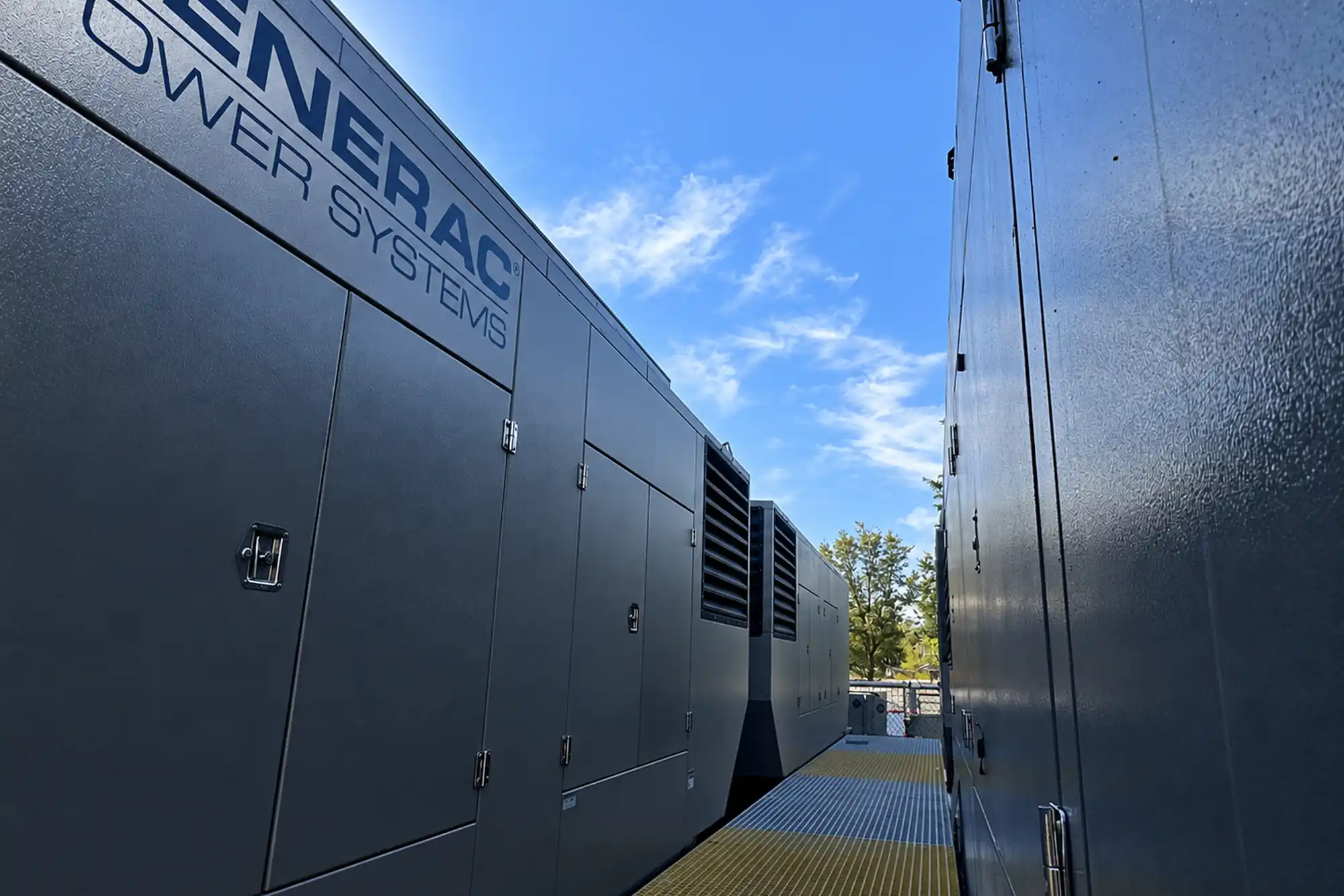
According to the Uptime Institute’s Annual Outage Analysis 2024, power failures cause most outages. That underlines the importance of multiple backups. UPSs, generators, and cooling all need backups to keep equipment and data safe. Colocation providers offer redundancy in different configurations, such as N+1, 2N, and 2N+1. N is the minimum infrastructure required to run the data center at full capacity. After an outage or major catastrophic event, redundancy makes disaster recovery possible. It helps restore operations to normal as soon as possible.
Scalability allows businesses to adjust capacity as needed on a pay-as-you-go basis. It lets them manage growth efficiently without suddenly making significant investments. With scalable solutions, businesses can respond to fluctuating workloads without wasting resources or running short. Modern colocation supports business efficiency with a robust and redundant infrastructure that ensures uninterrupted operations.
Colocation, Sustainability, Energy-Efficiency
It’s already indisputable that there’s no modern colocation without energy-efficiency standards. The recent surge of AI and AR applications puts substantial pressure on data centers when it comes to power consumption. More intensive computing needs more efficient cooling methods that deliver better performance with fewer resources.
Sustainability and energy efficiency will remain top priorities in the data center industry. Surprisingly, cost savings and sustainability endeavors have become inseparable concepts. Consequently, operators are relying less on the grid and harnessing alternative power sources. At the same time, more efficient cooling methods are appearing globally. Compact solutions that reduce data center footprints are also gaining popularity.
Since decarbonization goals will be the focus in the foreseeable future, PUE (or power usage effectiveness) is worth mentioning. The Green Grid developed this metric, which gives insight into how a data center functions. The industry widely adopts it to benchmark and improve data center power consumption. This helps enterprises find providers that can support their decarbonization goals.
New applications will keep getting more power hungry, which puts pressure on computing and cooling systems. As a result, modern colocation will play a key role in achieving sustainability goals. Robust, energy-efficient, and secure infrastructure that helps reduce carbon footprints will stay crucial.
Find a Reliable Colocation Provider: Team Up With Volico
As we leap into the future, colocation providers will continue to occupy an important role in shaping modern digital infrastructures. Businesses rely on colocation service providers more than ever for the secure and reliable foundation they need to run operations.
At Volico Data Centers, our mission is to deliver the colocation services that empower our clients to reach their goals. Our highly secure, compliant, and scalable solutions come with 2N+X power and cooling redundancy and multi-carrier network connectivity. They provide the support to meet the challenges of a quickly changing world.