An edge data center processes time-sensitive data close to its source, so applications respond with low latency. Data has become one of the most important building blocks of performance, and many applications now need instant access to it. Computing no longer happens only in the cloud because the cloud alone is often too slow. Instead, small-footprint facilities handle the lighter processing tasks near the data source. As a result, large data volumes no longer travel long distances to the cloud and back.
In today’s data-driven world, speed is everything. This article covers the basics of edge computing, including what an edge data center is and why it matters.
What is Edge Computing?
Edge computing is a data processing model that brings storage and processing closer to the end user, on the “edge” of the network. It does not rely only on centralized data centers. Because computation sits near the source of the data, processing is faster.
Edge data centers suit high-bandwidth, low-latency applications that must analyze data and act on it instantly. Edge computing supports IoT devices, autonomous vehicles, and AR applications because it processes data near the source. A single distant data center cannot match that speed.
While not every application works at the edge, leveraging it is a growing trend. Today, edge computing and 5G support emerging technologies, and those technologies are becoming part of everyday life.
How Does Edge Computing Work?
Data comes in many shapes and forms, and different sensors and devices generate it for countless purposes. Take the sensors in the smartwatch on your wrist. The data they produce has to travel to the cloud for processing, and then the results come back. That round trip takes time, so latency can cause problems. For time-sensitive uses such as healthcare devices or self-driving cars, low latency can save lives.
Edge data centers solve latency issues because they sit close to the data source. Instead of traveling to the cloud and back, data reaches a nearby edge server that processes it almost instantly. The edge server collects data from the sensors, then sorts and stores it. It also processes data for mission-critical applications when low latency is a must. In those cases, data does not travel back to the cloud, so the cloud avoids the risk of overload.
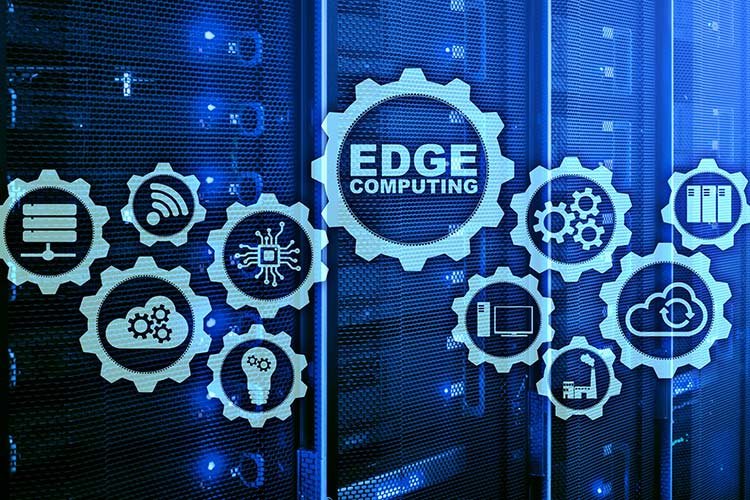
Edge Data Centers Explained
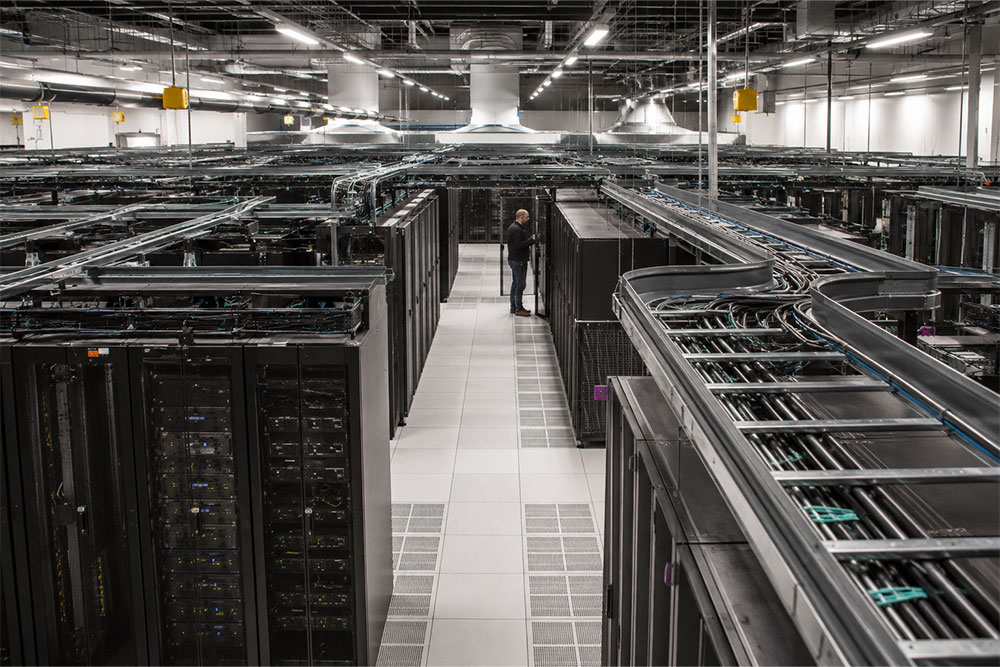
By definition, edge data centers are small-footprint facilities close to the end user or the data source. They operate at the edge of the network. These facilities provide the basis for edge computing because they store and process data closer to the source. Smaller, strategically placed edge data centers usually connect to one or several larger data centers.
Fundamental Aspects
An edge data center can serve different purposes, depending on the roles of the applications it handles. Definitions vary by industry, but all edge data centers share a few fundamental characteristics.
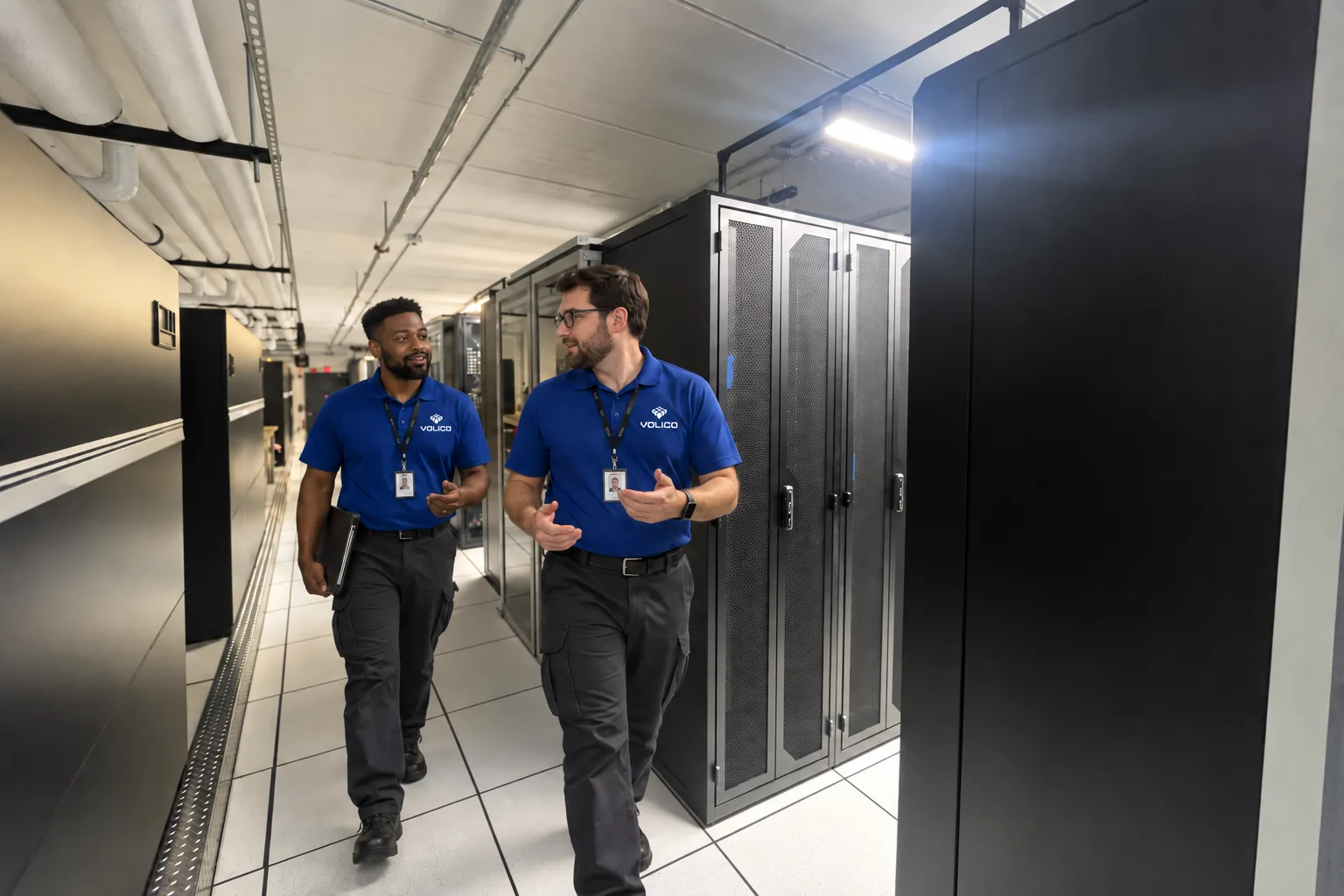
Firstly, they sit close to the areas they serve, and technicians typically manage them remotely.
Secondly, an edge data center has a small footprint but connects to a large data center through an extensive network.
Thirdly, edge data centers process mission-critical data for time-sensitive applications and services.
The Role of Edge Data Centers
Big data has transformed the world recently, so latency problems now sit in the spotlight. AR, machine learning, IoT, live streaming, and similar deployments no longer tolerate delays. Users demand instant access to devices and services, and edge data centers keep information flowing constantly and efficiently. They contribute to:
- Curbing Latency. For industries like financial services, healthcare, or emergency response, every fraction of a second counts. Small delays can have severe consequences in these fields. Edge data centers curb latency, so applications run on time with the speed and efficiency they need.
- Decentralizing Data Processing. Because edge data center networks sit close to users, processing happens much closer to the source. As a result, latency and bandwidth issues shrink.
- Easy Processing for Smart Devices. IoT devices and several applications, including AR, rely on fast processing of real-time data. Edge data centers keep smart devices, homes, and cities running smoothly.
How Are Edge Data Centers Managed?
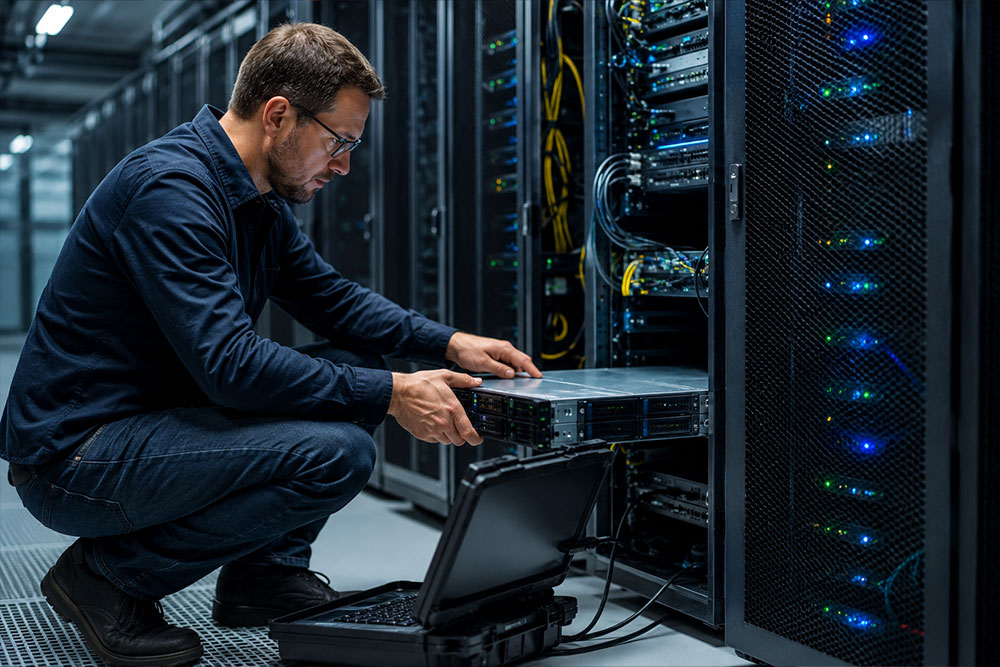
Edge data centers run remotely, so management relies on remote tools, databases, and analytics. Technicians must manage connections across extensive networks, monitor each facility, and make changes from afar. This work presents specific challenges. Because of remote management, teams must pay special attention to work instructions, decision-making, and accuracy.
DCIM, or Data Center Infrastructure Management software, helps edge data center managers monitor all the assets spread across many locations. It covers power, cooling, physical security, and connectivity for every edge data center facility. Because DCIM identifies issues quickly, it helps maintain availability and reduce latency.
Demand for Edge Data Centers is Growing
Digital transformation has increased the need for fast data processing, which gives edge computing an important role.
Data-intensive applications keep spreading, so the need to improve performance keeps growing. Self-driving cars, remote surgery, security systems, augmented reality, and industrial applications all require instant reactions. Edge data centers provide shorter routes, so data no longer travels to the cloud and back. Because they process data locally, they reduce the need to move large volumes over long distances. This optimizes bandwidth usage and latency, which lowers the risk of network congestion and cuts costs.
The edge data center market keeps growing. Because data volumes keep rising, it will likely keep expanding. Estimates put the global data center market at 29.6 billion dollars by the year 2028, with a growth rate of 23.3% over that period. Banks and insurance companies are prominent in edge data center deployment worldwide.
Increasing Demand for Edge Colocation
Data volumes keep growing, so businesses need edge colocation facilities to keep pace with a competitive market. Because users expect constant availability, excellent infrastructure must deliver performance and speed. Most organizations use a hybrid approach that mixes on-premises, cloud, colocation, and edge data center solutions. Data center providers can help businesses offer better services by improving data processing speeds and ensuring security. Some of them even offer EDCaaS, or Edge Data Center as a Service. This solution lets businesses use edge computing resources without the burden of managing their own.
Our colocation facilities and services at Volico Data Centers can help your business reach its performance goals. If you want powerful, flexible edge data center solutions, contact our team to learn more.
• Call: (305) 735-8098, or
• Chat with our team to discuss the solution that best fits your needs.