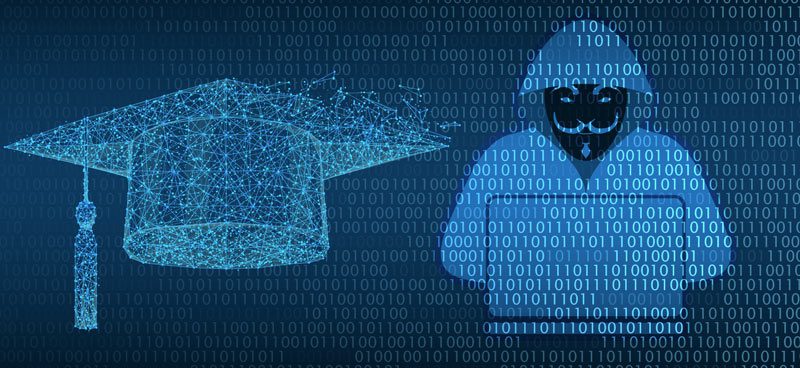
Cybercriminals targeting educational institutions had a record year, and the shift is deliberate, because schools hold valuable data behind thinner defenses than banks or hospitals. Recent years have seen a sharp increase in the number and impact of cyber attacks on educational institutions across the US. While healthcare and financial industries have always been prime targets, cyber criminals seem to be turning more to learning institutions as targets for hacking.
It is not just criminals prepared to sell your information on the dark web committing cyber hacking at colleges and universities. Foreign governments and crime rings are perpetrating more and more of these attacks. Gone are the days when hacking was merely about changing your grade to an A in Chemistry.
What Makes Schools Such Attractive Targets
Cybercriminals targeting educational institutions go after colleges and universities first, because that is where the sensitive, valuable information sits. Financial information and private research are useful commodities for criminals, so hacking institutions with high-dollar-value data can mean big profits.
Schools also present an unusual number of entry points for hackers. Students, faculty, staff and visitors all use the same large networks, which multiplies the points of vulnerability. More users means more traffic. More traffic means a better chance that a malicious link, a phishing email or a drive-by download gets through. Older threat lists also named phishing emails, drive-by downloads, and other hacking threats. Once a device is infected, it can spread its nefarious cargo across a university’s network and servers, sometimes with little resistance. Educational institutions often utilize file sharing, which can also contribute to hacking efforts.
K-12 schools are now targets alongside universities. They hold vast amounts of valuable data on systems criminals can reach. They also face fewer cybersecurity regulations than the private sector, which makes them ripe for hacking. Because IT support in schools is often a lower priority than in enterprises, they continue to be vulnerable to cybercrimes.
How Does Cybercrime Affect Educational Institutions?
The impact of hacking on educational institutions varies widely. The worst outcomes are privacy breaches and identity theft. Both follow once someone reaches social security numbers, financial records and dates of birth. This information is precious to criminals. K-12 schools have become recent targets because the selling of minors’ social security numbers is a valuable market for criminals.
Colleges and universities often house a great deal of research, intellectual property, and other valuable data, as well. The black market has buyers for all these ill-gotten data and more. Also, these types of attacks wreak havoc on networks and systems, infecting shared drives, slowing or stopping internet traffic, and delaying the efficient operation of these organizations.
Related reading
Learning About Cybercrimes Empowers Your Company
There is much that organizations can do to improve security and decrease the impact of cybercrime activity. But it will take ongoing, persistent efforts to change practices and policies, as well as educate students and staff, to keep these institutions safe moving forward. The skilled professionals at Volico are always keeping abreast of the latest in cybercrime tactics, viruses, and security measures. To learn more about how your organization can stay safe from hacking attempts, please ask to speak with our knowledgeable consultants. We here at Volico believe that knowledge and the application of that knowledge are key to thwarting malicious agents online.
Discover how Volico can help you with your Managed Security needs.