Crypto ransomware is rampant. Most variants, like CryptoLocker and TeslaCrypt, are malicious binary files that behave with real intelligence. They stay aware of their surroundings and shift shape constantly. Because cryptographic ransomware morphs on the fly, standard signature-based antivirus struggles to detect it, and basic “anti-malware” tools do too. Stopping intelligent malware takes intelligent endpoint protection. It has to identify, sandbox, and alert your team before the actual encryption ever reaches the endpoint.
Cryptographic ransomware is a genre of malicious software that has three goals once it successfully infects a system.
What Cryptographic Ransomware Is Designed To Do
First, the ransomware checks whether a sandbox or a researcher is dissecting it. It looks at clues like available hard drive space, since sandboxes tend to run small. It also checks the machine’s uptime and how many programs are installed. If everything checks out as a real machine, the ransomware moves on to its second goal.
The second goal is to encrypt every user’s files. It relies on GPG or PGP, the author’s own spin on curve25519, or a completely unique algorithm the author wrote.
The third goal of the ransomware is to perform cryptosporidium, or attempt to spread itself. It moves across every network share and machine within reach.
How Ransomware Spreads and Who Attackers Target
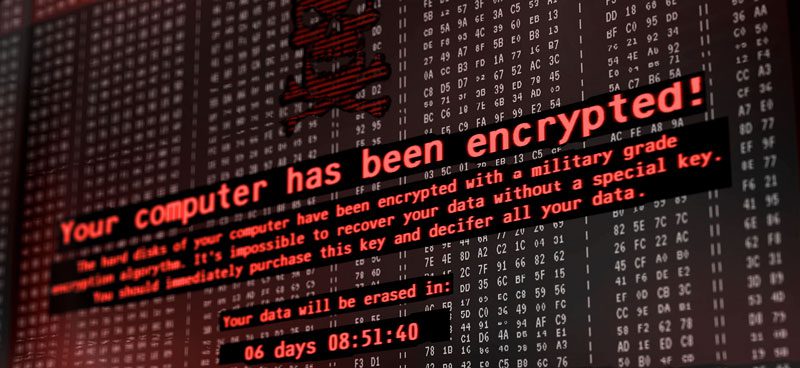
Once ransomware infects a machine, it demands payment to decrypt your files. Attackers usually run this on a time-based system, so the price climbs every hour you wait. They typically want payment in bitcoin, though newer variants ask for Monero or Ethereum for the added anonymity.
Ransomware authors usually target large organizations, like hospitals, banks, or cities. These victims can’t afford to lose their data, so they’re more willing to pay.
Generic ransomware rarely goes after a specific target. Instead, attackers blast it out to huge lists of emails or compromised websites through mass email campaigns or spearphishing.
Once criminals gain access to a host, they typically drop what the ransomware calls its “birthday” package. That package later installs a second-stage cryptocurrency locker that encrypts the entire system.
Standard antivirus protection that relies on signatures isn’t enough to stop an advanced persistent threat like CryptoLocker or its variants.
The infection chain begins with remote command execution, which downloads a malicious script. That script then retrieves code from a command-and-control center known only to the attacker.
Why Paying the Ransom Doesn’t Undo the Damage
Whether the target pays the ransom or not misses the real issue. Once attackers infect an organization, they’ve usually already pulled data off the compromised machines. From that point on, treat every file on that machine or network as compromised, whether you pay or not.
Attackers can walk away with network share usernames and passwords, personal information, and PCI or payment data. They can also take internal passwords, customer records, and other sensitive documents. That exposure happens whether or not the victim pays the ransom.
Discover how Volico’s Managed Endpoint Protection Services can protect your business against cryptographic ransomware.
It’s difficult to stop ransomware dead in its tracks. Volico endpoint protection uses real-time binary sandboxing, so the malware executes with zero impact on the endpoint. It performs intermediate representation and binary static analysis on the suspect file in real time. That process learns the program’s true intent instead of relying on signatures alone. That lets Volico run the file safely in its own sandboxed world before it ever reaches your systems. The process is backed by software-focused machine learning and behavioral analysis of static binaries traveling over the wire.
Real Time Behavioral Monitoring Catches What Signatures Miss
Volico’s Managed Endpoint Protection Services identifies malicious files with high confidence and cuts down false positives on legitimate software. It does this through inline binary static analysis of each file’s intent, activity, and overall trust.
The system constantly monitors for rapid file encryption (RFE), watching for any attempt to remove backups or change the master boot record. Volico also stops file-less attack vectors (FAV), even when they run heavily obfuscated. That includes variants that start without loading kernel modules, DLLs, or other helper files.
Volico does this by sandboxing the binary, running static analysis, and reverse-engineering the suspicious executable to reveal its real intent. It then tracks the file, alerts your team, and updates the primary dashboard with its likely impact.
If Volico deems the binary malicious in any way, it vaults the file off the machine. From there, the file goes to the intermediate representation engine (IRE) for further analysis. Throughout the process, you can watch the findings appear live on your enterprise dashboard.
Protection is better than cleaning up the mess
Don’t wait until it’s too late. Make sure a reliable anti-malware solution protects your business. Volico’s Managed Security Services is your best defense against ransomware and other advanced attacks.
• Call: (305) 735-8098
• Chat with a member of our team to discuss which solution best fits your needs.